- Why Is It Important to Determine the Correct Location for RLAF in a Cleanroom?
- What Is RLAF and Which Risk Groups Is It Suitable For?
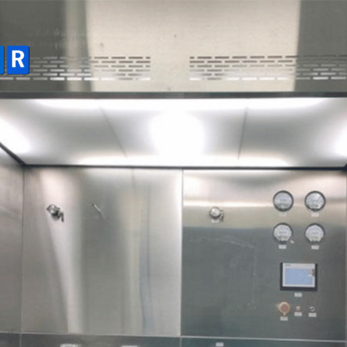
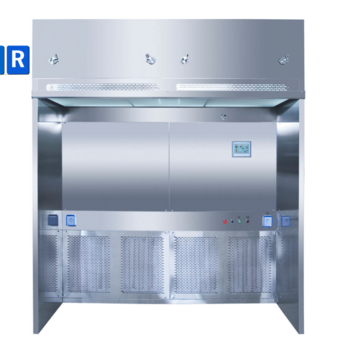
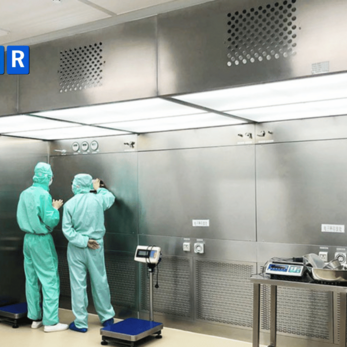
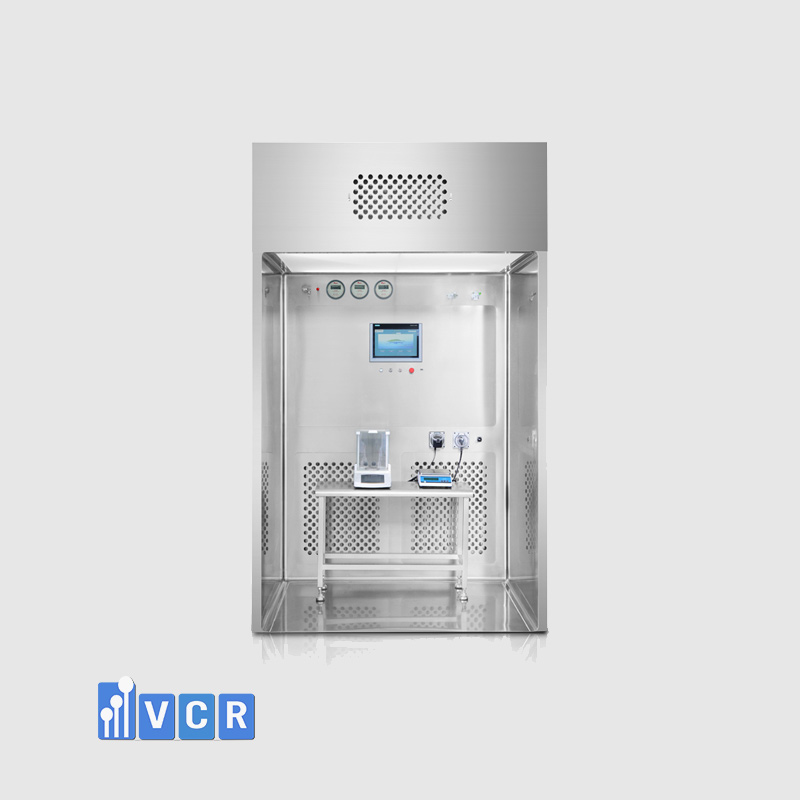
- RLAF Used in Powder Raw Material Weighing Areas
- RLAF Used in Raw Material Sampling Areas
- RLAF Used in Pharmaceutical Active Ingredient Handling Areas
- RLAF Used in Chemical Preparation and Chemical Handling Areas
- RLAF Used in Laboratories and Sample Testing Areas
- RLAF Used in Cosmetic and Nutraceutical Factories
- RLAF Used in Areas Handling Easily Dispersed or Odorous Materials
- Where Should RLAF Be Placed in the Cleanroom Layout?
- When Should RLAF Not Be Used, or When Is Another Solution Needed?
- Criteria for Selecting RLAF for Each Application Area
- RLAF Testing and Maintenance in Application Areas
- FAQ – Frequently Asked Questions About RLAF Applications
- Conclusion: RLAF Is Suitable for Areas with Dust and Particle Dispersion Risks in Cleanrooms
RLAF is a reverse laminar airflow device used in areas where dust, particles, or contaminants may be generated in cleanrooms. In pharmaceutical factories, chemical plants, cosmetic factories, nutraceutical facilities, laboratories, and controlled manufacturing areas, many operations such as material weighing, sampling, active ingredient handling, chemical preparation, or handling powder materials can release fine dust into the air. If not properly controlled, this dust and these particles may affect operators, products, and the surrounding environment.
This article analyzes where RLAF is used in pharmaceutical, chemical, and cleanroom facilities, from raw material weighing areas, sampling areas, active ingredient handling areas, and laboratories to areas for handling easily dispersed materials. It also explains when RLAF should be used, when another solution may be required, and the key criteria for selecting suitable equipment for each cleanroom project.
Why Is It Important to Determine the Correct Location for RLAF in a Cleanroom?
In a cleanroom, equipment only performs effectively when it is installed in the right location and used for the right control objective. RLAF is not a device that can be installed anywhere with the assumption that the area will automatically become cleaner or safer. In essence, RLAF controls localized airflow in a working zone where dust, particles, or contaminants may be generated. Therefore, it must be placed at the actual risk point, where dust or particles are produced during operation.
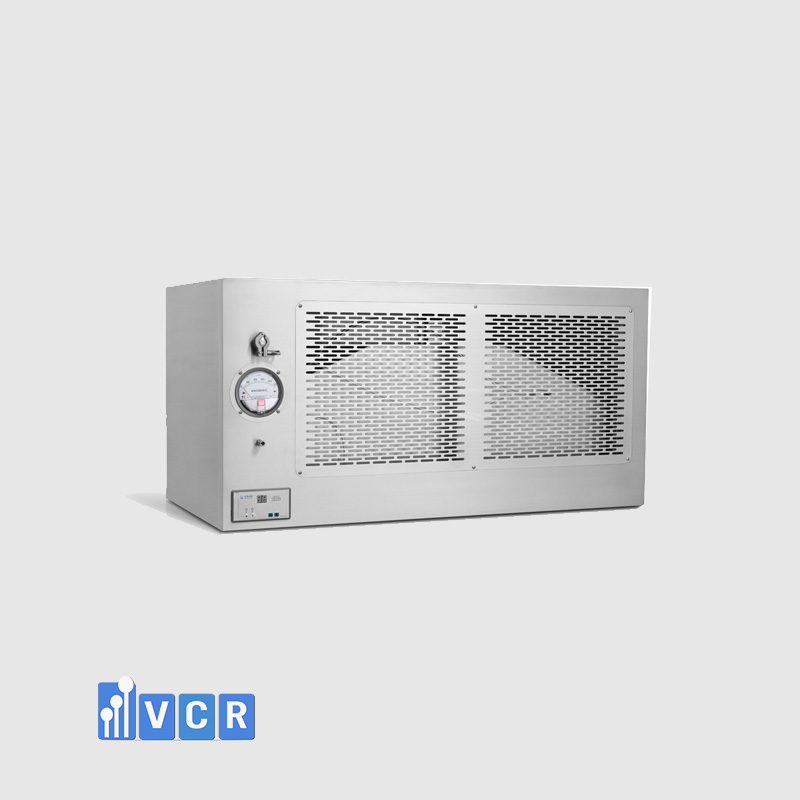
RLAF stands for Reverse Laminar Air Flow, meaning a reverse laminar airflow device. This equipment is commonly used to collect air carrying dust or contaminants generated at the working zone, pass it through a filtration system, and limit dispersion into the surrounding environment. If RLAF is installed too far from the dust-generation point, it will be difficult for the equipment to control the contamination source. If it is placed in an area with heavy personnel movement, near doors, or in an area with unstable room pressure, the airflow of the equipment may be disturbed and its control performance may decrease.
Determining the correct RLAF location must be based on risk analysis. Before selecting the equipment, contractors and factories need to answer basic questions: which operation generates dust, where dust is generated, where the operator stands, how materials move, what cleanliness level is required in the surrounding area, and whether the main objective is operator protection, product protection, or cleanroom environment protection. Without analyzing these factors, RLAF may be installed with the right equipment name but the wrong operational purpose.
In cleanroom equipment, each device has its own control point. An Air Shower controls dust attached to personnel or materials before entering the cleanroom. A Pass Box controls material transfer flow. A Dispensing Booth controls dust in raw material weighing areas. RLAF is also a localized contamination-control solution, but it must be selected according to the actual risk characteristics of each area.
For cleanroom contractors, including RLAF in the layout from the design stage is very important. Layout means the arrangement of rooms and equipment. If RLAF is added only after the room has already been completed, many issues may arise, such as insufficient working space, lack of electrical connection points, difficulty arranging material flow, cleaning challenges, or inadequate maintenance clearance. Conversely, if RLAF is correctly planned from the beginning, it can support source dust control, reduce cross-contamination risks, and help the cleanroom system operate more stably.
What Is RLAF and Which Risk Groups Is It Suitable For?
RLAF stands for Reverse Laminar Air Flow, meaning a reverse laminar airflow device or booth. In this term, “reverse” means opposite or reversed, while “Laminar Air Flow” means laminar airflow. Laminar airflow can be understood as airflow organized in a relatively stable direction, limiting turbulence and helping control the path of air within the working zone.
In cleanroom systems, RLAF is commonly used to control localized airflow in areas where dust, particles, or contaminants may be generated. When operators handle powders, active ingredients, chemicals, or easily dispersed materials, the air in the working area may carry fine dust and particles. RLAF helps draw this airflow toward the return-air or suction area, pass it through the filtration system, and limit dust dispersion into the surrounding environment.
RLAF is suitable for risk groups where the source of contamination is generated from the working zone itself. This is a very important point. If the main risk is dust from the external environment entering the product, equipment such as LAF may be needed. LAF stands for Laminar Air Flow, meaning a laminar airflow device, and is commonly used to supply clean air to protect products or samples. However, if the main risk is dust from raw materials, chemicals, or active ingredients spreading outward, RLAF is more worth considering.
Common RLAF applications include powder handling, weighing powder materials, material sampling, active ingredient handling, chemical preparation, handling granular additives, working with adhesive materials, or areas where operator exposure needs to be reduced. Operator protection means protecting the person performing the operation. Environmental protection means protecting the surrounding environment. These are two objectives often associated with RLAF.
In pharmaceutical factories, RLAF may be considered in active ingredient weighing areas, raw material sampling areas, or fine powder handling areas. In chemical plants, RLAF may be suitable for chemical powder preparation areas or easily dispersed particulate materials. In laboratories, it may be used in sample weighing areas or when handling samples that may generate particles. In cosmetic and nutraceutical factories, RLAF may be used when handling color powders, fragrances, vitamins, minerals, or powdered extracts.
However, RLAF is not a solution for every type of risk. If the main hazard is toxic chemical vapor, volatile gas, or specific biological agents, a chemical fume hood, biological safety cabinet, isolator, or dedicated enclosed system may be required. Therefore, selecting RLAF must always begin by identifying the type of risk: dust/particles, vapor/gas, microorganisms, toxicity, odor, adhesion potential, and containment requirements. Containment means the ability to control contaminants within an acceptable boundary.
RLAF Used in Powder Raw Material Weighing Areas
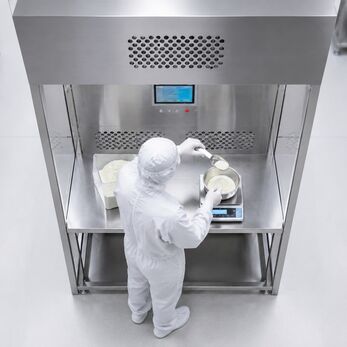
Powder raw material weighing areas are among the most important locations where RLAF should be considered. In pharmaceutical, nutraceutical, cosmetic, and chemical factories, weighing areas are where raw materials are opened, poured into containers, weighed, divided by batch, or prepared for the next production step. These operations can generate significant dust, especially when working with fine powders, light powders, active ingredients, additives, or easily airborne materials.
When a raw material bag is opened, dust may disperse directly from the bag opening. When powder is poured into a container or onto a scale, the falling powder stream may drag air with it and create suspended dust. When materials are divided, dust may settle on tools, containers, scale surfaces, working tables, and operators’ garments. Without localized control equipment, dust may spread throughout the weighing room, settle on surrounding surfaces, and increase cross-contamination risks between different materials.
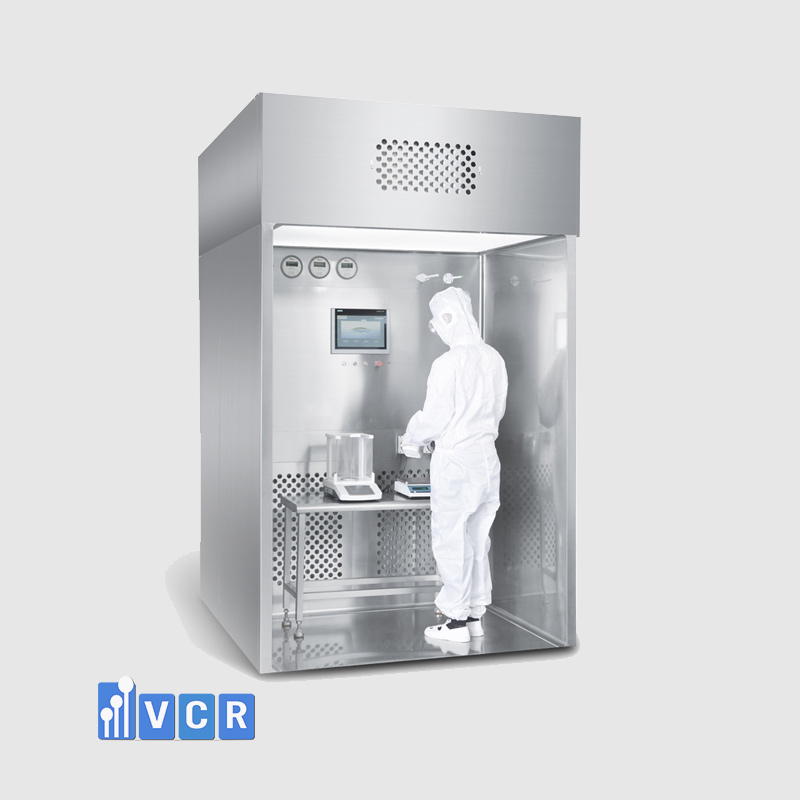
RLAF is used in raw material weighing areas to control dust directly at the working zone. The equipment creates controlled airflow, helping dust-laden air move toward the return-air or suction area before passing through the filtration system. As a result, dust does not disperse freely into the cleanroom environment. This not only helps protect the surrounding area but also supports operator protection from raw material dust exposure.
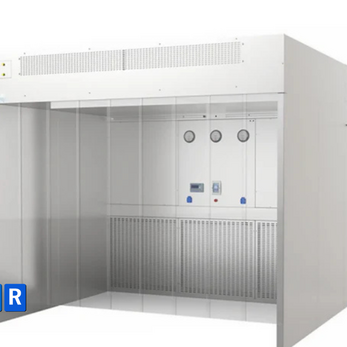
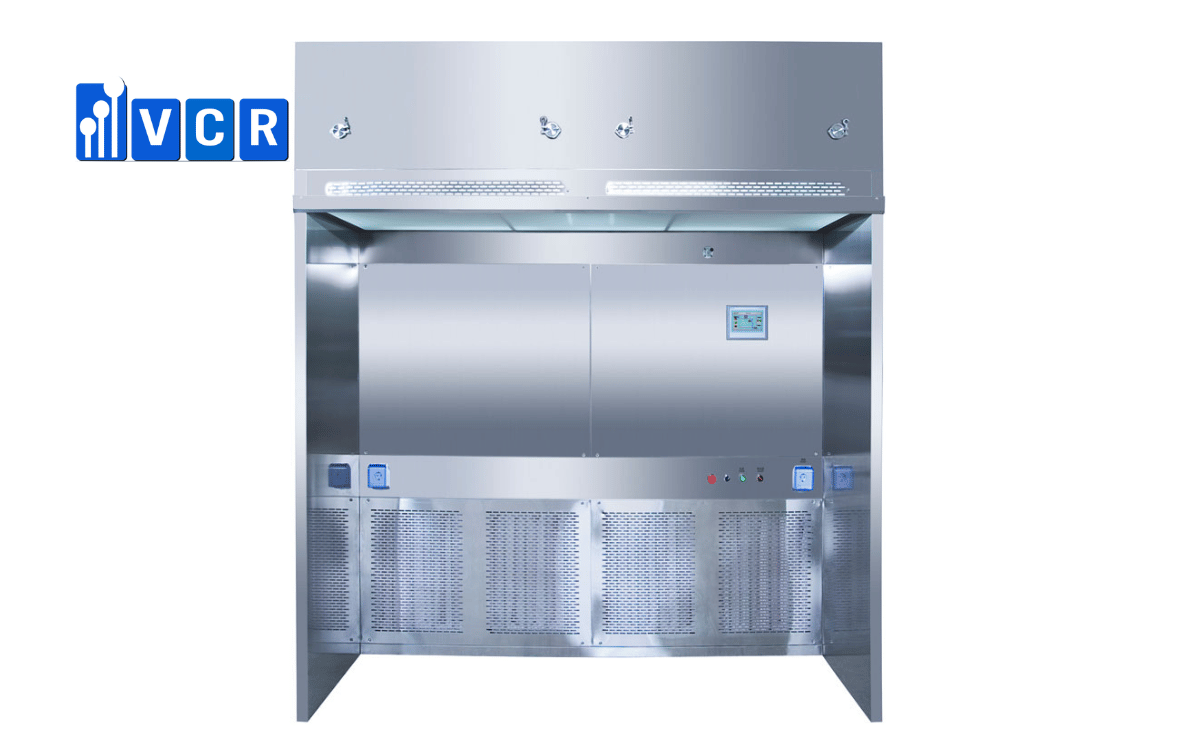
In some projects, equipment used for weighing areas may be called a Dispensing Booth or Weighing Booth. A Dispensing Booth means a material dispensing booth. A Weighing Booth means a weighing booth. These names are application-oriented, while RLAF emphasizes the reverse laminar airflow principle or dispersion-control mechanism. In practice, some Dispensing Booths may use principles similar to RLAF because both aim to collect dust generated in the working zone.
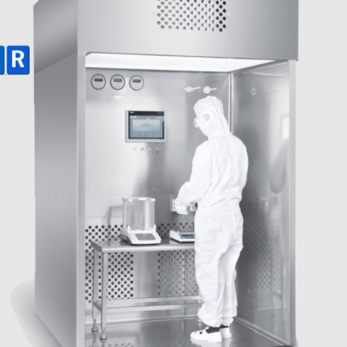
When using RLAF in a weighing area, the size of the working zone must be carefully evaluated. The chamber must be large enough to accommodate the scale, containers, raw material bags, and tools. If the space is too narrow, operators may easily place obstacles that block the return-air area. If the space is too large but airflow volume is not suitable, dust-control performance may decrease. The scale position, powder-pouring direction, return-air path, and operator standing position must all be considered.
HEPA Filter is also an important factor. HEPA Filter stands for High Efficiency Particulate Air, meaning a high-efficiency air filter. In raw material weighing areas, HEPA filtration helps handle fine particles in the collected airflow. However, RLAF performance does not depend only on the HEPA Filter. It also depends on air velocity, airflow volume, filter tightness, return-air position, and the cleaning procedure after operation.
For raw material weighing areas, RLAF is most suitable when the objective is source dust control, reducing dust spread into the room, supporting cross-contamination control, and improving working conditions for operators. The equipment should be included in the layout design early to ensure sufficient operating, cleaning, and maintenance space.
RLAF Used in Raw Material Sampling Areas
Raw material sampling areas are high-risk points in cleanroom facilities, especially in pharmaceutical, nutraceutical, cosmetic, and chemical factories. When incoming raw materials arrive at the factory, the quality control department usually needs to take samples from bags, drums, barrels, or containers for testing. During bag opening or sampling, materials may be disturbed and generate dust. If the material is in powder or fine particulate form, dust may quickly disperse within the working zone.
RLAF is used in sampling areas to control dust at the bag-opening or sampling point. When operators use sampling tools, dust may be released from the material surface. RLAF helps direct dust-laden air toward the return-air area, limiting dust dispersion into the surrounding area. This is especially important when the sampling area handles many different types of raw materials in one day, because dust remaining from a previous material may create cross-contamination risks for the next material.
A Sampling Booth means a booth used for sampling operations. Some sampling systems may be designed as Sampling Booths using dust-control principles similar to RLAF. The core idea is that the working zone must be controlled so that operators can open packaging, take samples, and close the packaging while limiting dust dispersion. If sampling is performed on a regular table inside a cleanroom, dust may spread onto room surfaces, floors, tools, and operators’ garments.
Raw material sampling areas differ from weighing areas because raw materials usually come from outside the factory, packaging types may vary, material conditions may differ from batch to batch, and operating procedures may not always be exactly the same. Therefore, dust-control equipment in sampling areas must be flexible while still maintaining airflow-control principles. RLAF can help create a more stable working zone and reduce dispersion during sampling.
When designing RLAF for sampling areas, it is necessary to consider the size of raw material bags, drums, or barrels, how operators access the material, where tools are placed, working height, and cleaning clearance. If the equipment is too small for the actual packaging, operators may have to work outside the controlled zone. If the return-air area is blocked by a bag or container, dust cannot be collected effectively.
In GMP factories, GMP stands for Good Manufacturing Practice, sampling areas require careful control because they are related to incoming raw materials and later product quality. RLAF does not replace correct sampling procedures, but it supports reduction of dust dispersion and cross-contamination risks during operation. When properly selected and operated, RLAF helps make raw material sampling areas cleaner, safer, and easier to control.
RLAF Used in Pharmaceutical Active Ingredient Handling Areas
In pharmaceutical factories, active ingredient handling areas require careful evaluation when considering RLAF. API stands for Active Pharmaceutical Ingredient, meaning a pharmaceutical active ingredient. APIs may be in powder, granular, or fine material form, and in many cases they require stricter exposure control than ordinary excipients. When handling APIs, the risk is not only dust contamination but also operator exposure, cross-contamination between products, and contamination control across the entire factory.
RLAF may be used at active ingredient handling points where dust generated in the working zone needs to be controlled. For example, when weighing APIs, sampling APIs, dividing raw materials, or preparing an active ingredient quantity for a production batch, fine dust may disperse. If this dust is not controlled, operators may inhale it or the dust may spread to other areas. RLAF helps collect dust-laden air into the filtration system, supporting source dispersion control.
Operator exposure is a very important factor when handling pharmaceutical active ingredients. Some APIs may require low exposure limits, PPE, engineering controls, or advanced containment solutions. PPE stands for Personal Protective Equipment. RLAF can support exposure reduction, but it does not completely replace PPE and should not be assumed suitable for every active ingredient.
Containment means the ability to control contaminants within an acceptable boundary. For high-risk active ingredients, containment must be assessed before deciding to use RLAF. If the active ingredient has high toxicity, strong potency, or very strict exposure requirements, an isolator, closed system, specialized handling cabinet, or dedicated exhaust treatment solution may be needed. A standard RLAF may be suitable for some active ingredient operations, but it should not be considered the only solution for every risk level.
When using RLAF in active ingredient handling areas, the type of API, physical form, dust level, operating frequency, operator position, cleaning requirements, and safe filter replacement must all be considered. If the equipment is not cleaned properly, API dust may accumulate in the working chamber or filtration system. If filter replacement is not performed correctly, exposure risks may increase during maintenance.
In pharmaceutical factories, the decision to use RLAF for API areas should involve coordination among engineering, QA, HSE, cleanroom design, and the equipment supplier. QA stands for Quality Assurance. HSE stands for Health, Safety and Environment. This approach ensures that equipment is selected based on actual risk, not merely on equipment name or common practice.
RLAF Used in Chemical Preparation and Chemical Handling Areas
In chemical plants, high-purity chemical facilities, cosmetic factories, nutraceutical plants, or laboratories, many operations involve weighing, dividing, mixing, sampling, or preparing chemicals in powder or granular form. These materials may generate dust, adhere to surfaces, or spread into surrounding areas if not controlled. RLAF may be considered in such areas when the main risk is dust or particles generated in a clean working zone.
RLAF should be distinguished from a Fume Hood. A Fume Hood is a chemical fume hood or toxic gas extraction hood, usually used when vapor, gas, or volatile chemicals need to be extracted. If the main hazard is toxic chemical vapor, volatile gas, or solvent vapor, a Fume Hood or a suitable exhaust and treatment system should usually be considered. RLAF should not automatically be treated as a replacement for a chemical fume hood in situations involving toxic vapors or hazardous gases.
Conversely, if the main risk is chemical dust, fine particles, or powder materials in a cleanroom environment, RLAF may be more appropriate. For example, when weighing powdered chemicals, preparing granular additives, dividing high-purity materials, or handling easily dispersed powders, a reverse laminar airflow device can help collect dust at the working zone. Controlled airflow helps prevent dust from dispersing freely into the surrounding environment, while the filtration system captures the particles that need to be controlled.
In chemical preparation areas, the nature of the substance must be evaluated very carefully. Some chemicals may generate dust, have odor, cause irritation, or release vapors. If only the powder form is considered and RLAF is selected without evaluating toxicity, volatility, chemical reactivity, or air-treatment requirements, the design may not be safe enough. Conversely, if every powder operation is placed under a Fume Hood unnecessarily, the cleanroom particle-control environment may not be optimized.
For chemical applications, RLAF should be selected when the objective is particle or dust control within the working zone, especially in production areas requiring cleanliness control. The equipment should use suitable materials, have easy-to-clean surfaces, use the correct filtration grade, maintain appropriate air velocity, and follow a clear maintenance procedure. If chemicals are corrosive, the construction material and chemical resistance of contact components must be evaluated.
In practice, no single device is suitable for every chemical operation. RLAF, Fume Hood, safety cabinet, local exhaust system, and enclosed equipment each have their own role. The correct selection depends on the question: is the contaminant to be controlled dust/particles or vapor/gas, how hazardous is it, what cleanroom requirements apply, and where will the treated air go?
RLAF Used in Laboratories and Sample Testing Areas
Laboratories, QC areas, and R&D areas may also consider using RLAF if operations generate dust or particles. QC stands for Quality Control. R&D stands for Research and Development. In these areas, operators may weigh samples, divide samples, grind samples, handle powder materials, or prepare samples for testing. Some operations may be small in scale but can still release particles into the air.
RLAF in laboratories is commonly used when the main risk comes from the sample or handled material. For example, when weighing a small amount of fine powder, opening a powder sample container, or handling a sample that may disperse, dust may appear directly on the workbench. If not controlled, dust may settle on tools, affect other samples, or increase exposure risk for technicians. RLAF helps collect dust-laden air into the filtration system and reduce dispersion in the working area.
However, not every laboratory needs RLAF. If the main objective is to protect a sample from environmental dust and the sample does not generate significant hazardous dust, LAF may be more suitable. LAF stands for Laminar Air Flow, meaning a laminar airflow device, and is commonly used to create a clean-air zone for sample or tool protection. If the operation involves microorganisms or biological agents, a Biological Safety Cabinet may be needed instead of RLAF. If the operation involves chemical vapors or volatile solvents, a Fume Hood may be more suitable.
This shows that selecting RLAF in laboratories must be based on the nature of the risk, not merely on the room name. A QC room may include one area that needs LAF, another that needs a Fume Hood, and another that needs RLAF. An R&D room may handle many different materials, so each process should be assessed separately.
When installing RLAF in a laboratory, working space, personnel movement, door position, air conditioning, power outlets, scale location, and cleaning requirements must be considered. Analytical balances may be sensitive to airflow, so dust control must be balanced with weighing stability. If airflow is too strong, weighing results may be affected. If airflow is too weak, dust may not be collected effectively.
RLAF can be a useful solution in laboratories when particles generated from samples or materials need to be controlled. However, to use it correctly, the factory must distinguish between sample protection, operator protection, and dispersion control. Each objective may lead to a different equipment selection.
RLAF Used in Cosmetic and Nutraceutical Factories
RLAF may be used not only in pharmaceutical and chemical facilities but also in cosmetic and nutraceutical factories. These industries often handle many powder, granular, or adhesive materials. Although control requirements may differ from pharmaceutical production, dust, cross-contamination, odor, and hygiene remain important concerns.
In cosmetic factories, RLAF may be considered when handling color powders, fragrances, base powders, additives, thickeners, or fine raw materials. Color powders may strongly adhere to equipment surfaces, floors, walls, and operators’ garments. If not well controlled, even a small amount of dust may contaminate the working area and affect other product batches. With fragrances or odorous materials, dispersion into the surrounding area may also affect sensory quality and production hygiene.
In nutraceutical production, RLAF may be used when weighing vitamins, minerals, powdered extracts, enzymes, probiotics, or powdered additives. Probiotics are beneficial microorganisms. Enzymes are biological catalysts. Many nutraceutical raw materials are fine powders that are easily airborne, adhesive, and commonly weighed according to formulas. When many different raw materials are handled in the same area, cross-contamination risks must be controlled.
RLAF helps reduce dust dispersion in the working zone, supports operator protection, and makes the production area easier to clean. When dust is collected into the filtration system instead of spreading throughout the room, post-batch cleaning may become more manageable. This is especially meaningful for materials that have color, odor, or strong adhesion.
However, when using RLAF in cosmetic and nutraceutical factories, it is not enough to consider only whether the equipment has airflow or HEPA filtration. Material type, dust generation level, working-zone size, material changeover frequency, cleaning procedures, and cross-contamination control requirements must all be reviewed. If the material has a strong odor or requires exhaust treatment, odor control or suitable exhaust connection should also be evaluated.
In these industries, RLAF can improve the professionalism of material weighing and raw material handling areas. The equipment supports a cleaner environment, reduces dust deposition, and improves control over operations with dispersion risks. This is why RLAF is increasingly considered not only in pharmaceutical production but also in manufacturing areas requiring high quality and hygiene control.
RLAF Used in Areas Handling Easily Dispersed or Odorous Materials
Some materials may not necessarily be high-risk active ingredients but still create operational difficulties because they are easily dispersed, adhesive, or odorous. Fine powders, color powders, fragrances, additives, odorants, flavoring agents, mineral powders, powdered extracts, or components with strong adhesion can all affect the surrounding area if not controlled. RLAF may be considered in such areas.
Easily dispersed materials often create two problems. The first is airborne dust, which may follow airflow, settle on equipment, and increase cross-contamination risk. The second is dust deposited on surfaces, making cleaning more difficult. Some color powders or odorous powders can leave visible traces or affect other products even in small amounts. RLAF helps control dust at the working zone and reduces the amount of material dispersing into the surrounding environment.
For odorous materials, the nature of the odor must be carefully assessed. If the odor is associated with dust or particles suspended in the air, RLAF may help reduce dispersion to some extent by collecting particle-laden airflow. However, if the odor comes from volatile vapor or gas, RLAF may not be a complete solution. In that case, an exhaust system, air-treatment system, or more suitable equipment should be considered.
It is important not to assume that RLAF is sufficient for every odorous material or every irritating material. The substance must be analyzed in terms of dust/particles, vapor/gas, odor, toxicity, adhesion potential, and containment requirements. If the substance is highly toxic or requires special air treatment, more specialized solutions such as exhaust treatment systems, chemical fume hoods, or enclosed equipment may be needed.
RLAF is more suitable when the main risk is particles or dust generated in a clean working zone. The equipment directs dust-laden air into the filtration system, limits outward dispersion, and supports cleaning after operation. In factories handling many adhesive, color-changing, or odorous raw materials, positioning RLAF at the correct working point can significantly reduce cleaning burden and cross-contamination risks.
Therefore, for areas handling easily dispersed or odorous materials, RLAF should be considered as a source dust-control solution. However, before selection, the nature of the substance and treatment requirements must be carefully assessed to avoid using the wrong equipment for an unsuitable risk.
Where Should RLAF Be Placed in the Cleanroom Layout?
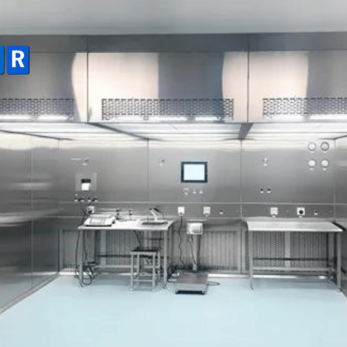
RLAF should be placed at the dust-generation point or close to the working zone with dispersion risks. This is the most important principle when positioning the equipment in a cleanroom layout. Layout means the arrangement of rooms, equipment, doors, personnel flow, material flow, cleanliness class, pressure, and working space. If RLAF is installed in the wrong position, the equipment may fail to control the correct dust source even though it appears to operate normally.
In raw material weighing areas, RLAF should be placed where operators open bags, weigh powder, divide raw materials, or transfer materials into containers. In sampling areas, the equipment should cover the bag-opening, sampling, and package-closing zone. In chemical handling areas, RLAF should be positioned at the weighing or preparation area for powder materials if the main risk is particles or dust. In laboratories, the equipment should be installed where sample handling generates dust, while also avoiding interference with airflow-sensitive devices such as analytical balances.
When positioning RLAF, personnel flow and material flow must be considered. Operators need convenient access to the equipment without blocking airflow. Materials should enter and exit through a logical path to avoid passing through less clean areas or crossing with other product flows. If personnel and material flows are poorly arranged, cross-contamination risks may increase even when RLAF is operating.
Room pressure should also be considered. In cleanrooms, pressure differences between areas help control the direction of air movement. If RLAF is installed in an area with unstable pressure, near frequently opened doors, or near strong airflow from the HVAC system, the equipment airflow may be affected. In that case, dust may not follow the designed return-air path.
The space around RLAF is also very important. Operators need enough space to open bags, place containers, move carts, clean, and perform maintenance. If the equipment is placed in a tight corner, operators may be forced to position items incorrectly or block the return-air area. If maintenance space is insufficient, filter replacement, fan inspection, or internal cleaning will become more difficult.
RLAF should also not be installed merely in whatever empty space remains. A common mistake is adding RLAF after the room layout has already been completed, placing it wherever space is convenient but not necessarily where airflow control is effective. This can prevent the equipment from controlling the correct dust-generation point. For cleanroom contractors, RLAF should be included in the design early, together with process analysis, material movement routes, scale position, sampling position, and cleaning requirements.
Correct RLAF positioning in the layout helps the equipment control dust at the source, reduce dispersion risk, support cleaning, and make qualification easier. Incorrect positioning may reduce control performance, increase operational difficulty, and create long-term risks.
When Should RLAF Not Be Used, or When Is Another Solution Needed?
RLAF is useful in many areas where dust and particles may be generated, but it is not a solution for every situation. Understanding when RLAF should not be used is just as important as knowing where it should be used. If RLAF is selected for an unsuitable risk, a factory may invest in equipment but still fail to control the correct contaminant.
If the main objective is to protect samples, products, or tools from environmental dust, LAF may be more suitable. LAF stands for Laminar Air Flow, meaning a laminar airflow device, usually supplying clean air through a HEPA Filter to create a clean working zone. If the sample does not generate hazardous dust and only requires localized clean conditions, LAF may be simpler, more effective, and more appropriate than RLAF.
If the main contaminant is toxic chemical vapor, volatile gas, or solvent vapor, a Fume Hood or an exhaust and treatment system may be more suitable. A Fume Hood is a chemical fume hood or toxic gas extraction hood. RLAF is mainly considered for dust or particles in a clean working zone and should not automatically be used for toxic vapors unless it is specifically designed for proper air treatment.
If the operation involves high-risk biological agents, a Biological Safety Cabinet may need to be considered. A Biological Safety Cabinet is designed for specific biosafety levels and may protect the operator, sample, and environment depending on cabinet type. RLAF does not replace a biological safety cabinet in biological applications requiring specialized control.
If an active ingredient or material has very high containment requirements, an isolator or dedicated closed system may be required. An isolator is enclosed equipment used to separate the operation from the surrounding environment. For highly potent or toxic active ingredients with very low exposure requirements, a standard RLAF may not be sufficient. In that case, containment level, filter replacement procedures, exhaust treatment, maintenance, and operator safety must all be evaluated.
RLAF should also not be used if the facility cannot operate and maintain it properly. The equipment requires periodic checks of air velocity, differential pressure, HEPA filtration, airflow direction, and cleaning. If the factory lacks operating procedures, user training, or filter-condition monitoring, actual performance may decrease significantly.
Cleanroom equipment selection must be based on risk analysis, not on equipment names or assumptions. RLAF is suitable for dust and particles generated in the working zone, but risks such as toxic vapor, biological agents, very high containment requirements, or sample protection from the environment may require other equipment. The correct approach is to identify the contaminant first, then select the equipment.
Criteria for Selecting RLAF for Each Application Area
When selecting RLAF for each area, the first criterion is working-zone size. The chamber must match the actual operation. A raw material weighing area needs enough space for scales, raw material bags, containers, and tools. A sampling area needs enough room to open packaging, insert sampling tools, and close the package. A laboratory may need a smaller chamber, but it must still support accurate handling and avoid affecting balances or measuring instruments.
The second criterion is material type and dust-generation level. Fine, light, easily airborne, adhesive, or odorous materials require stricter control. For pharmaceutical active ingredients, operator exposure and containment requirements must also be evaluated. For chemicals, dust/particles must be distinguished from vapor/gas. For cosmetics and nutraceuticals, color adhesion, odor transfer, and cross-contamination between formulas are important concerns.
The third criterion is airflow volume and air velocity. Airflow volume means the amount of air processed per unit of time. Air velocity means airflow speed. These two parameters determine the ability to draw dust-laden air into the filtration system. Air velocity that is too low may fail to control dust, while air velocity that is too high may disturb materials. Airflow volume must match equipment size and working-zone requirements.
The fourth criterion is HEPA filter grade and filter differential pressure. A HEPA Filter is a high-efficiency air filter. HEPA H13 or H14 may be selected depending on particle-control requirements. Differential pressure is used to monitor filter condition. Equipment should allow differential pressure monitoring so operators can identify when a filter is dirty, clogged, or requires inspection.
The fifth criterion is construction material and cleanability. In cleanrooms, stainless steel is often preferred because its surface is smooth, easy to clean, and durable. The design should minimize dead corners, gaps, and hard-to-clean surfaces. For adhesive materials, color powders, or chemicals, cleanability is especially important.
Other criteria include noise level, illumination, control panel, maintenance space, filter replacement capability, testing method, qualification requirements, and integration into the cleanroom layout. A good RLAF is not simply equipment with attractive specifications; it is equipment that matches the actual process and risk of each area.
As a cleanroom equipment supplier for cleanroom contractors, VCR Cleanroom Equipment can support RLAF configuration consulting for raw material weighing areas, sampling areas, chemical handling areas, laboratories, or any area requiring dust control according to project-specific needs. Selecting the right equipment from the beginning helps reduce the risk of modifications, qualification difficulties, or unstable operation later.
RLAF Testing and Maintenance in Application Areas
RLAF only operates effectively when it is periodically tested and maintained. Equipment should not be evaluated only by the feeling that “there is still airflow” or “the fan is still running.” In cleanrooms, the important questions are whether airflow moves in the correct direction, whether air velocity is suitable, whether the filter remains effective, and whether the working zone is stably controlled.
The first test item is air velocity. Air velocity testing helps determine whether the airflow in the working zone is sufficient to collect dust. If air velocity is too low, dust may not be drawn toward the return-air area. If it is too high, light powder may be disturbed and dispersed more strongly.
The second item is airflow volume testing. Airflow volume indicates the amount of air the equipment processes over a period of time. This parameter is directly related to the ability to collect dust-laden air. In high-dust areas such as weighing or sampling areas, airflow volume should be carefully monitored.
The third item is filter differential pressure monitoring. Increased differential pressure may indicate that the filter is dirty or clogged. Abnormal differential pressure may indicate leakage, loose filter installation, or problems in the air path. Periodic differential pressure monitoring helps the factory maintain equipment proactively instead of waiting until a clear failure occurs.
HEPA leak testing checks for leakage in the HEPA Filter. This test confirms whether the filter, filter frame, and gasket are properly sealed. Particle testing measures airborne particles. Smoke testing uses smoke to observe airflow direction. For RLAF, smoke testing is very useful because it shows whether smoke is drawn toward the return-air area or pushed outside the controlled zone.
RLAF maintenance also includes cleaning the working chamber, checking the fan, lights, control panel, stainless steel surfaces, gaskets, doors, or screens if present. In areas handling color powders, fragrances, or active ingredients, cleaning must be performed carefully to avoid residues. For adhesive materials, attention should be paid to gaps, corners, and hard-to-reach surfaces.
Testing frequency depends on the application area, material type, dust generation, operating time, and GMP requirements. GMP stands for Good Manufacturing Practice. An RLAF used daily in a powder weighing area requires a different inspection schedule from equipment used only occasionally in a laboratory. Most importantly, the factory should maintain records of parameters, test results, and maintenance activities to evaluate operating trends over time.
FAQ – Frequently Asked Questions About RLAF Applications
Question: Where is RLAF used in pharmaceutical factories?
RLAF is commonly used in areas where dust or particles may be generated, such as raw material weighing areas, sampling areas, active ingredient handling areas, material preparation areas, and some powder handling zones. The goal is to control dust at the source, reduce dispersion, and support operator protection.
Question: Can RLAF be used in powder raw material weighing areas?
Yes. Powder raw material weighing areas are among the common applications of RLAF. When operators open bags, pour powder, weigh materials, or divide raw materials, significant dust may be generated. RLAF helps collect dust-laden air into the filtration system and reduces the risk of dust spreading into the cleanroom.
Question: Can RLAF be used in raw material sampling areas?
Yes. In sampling areas, raw materials are often opened and may generate dust when samples are taken from bags, drums, or barrels. RLAF helps control dust at the sampling point, supporting cross-contamination reduction and operator protection.
Question: Is RLAF suitable for chemical plants?
RLAF may be suitable if the main risk is chemical dust or particles generated in a clean working zone. If the main contaminant is toxic vapor, volatile gas, or solvent vapor, a Fume Hood or a suitable exhaust and treatment system should be considered instead.
Question: How is RLAF different from a chemical fume hood?
RLAF is usually used to control dust or particles in a cleanroom working zone. A chemical fume hood, or Fume Hood, is commonly used to extract vapors, gases, or volatile chemicals. These devices have different objectives, so selection should be based on the nature of the contaminant.
Question: Can RLAF be used in laboratories?
Yes, it can. RLAF is suitable in laboratories when working with powder samples, weighing samples, or handling materials that may generate particles. If the objective is only to protect samples from environmental dust, LAF may be more suitable. If biological agents are involved, a Biological Safety Cabinet should be considered.
Question: Do cosmetic and nutraceutical factories need RLAF?
They may need RLAF, especially in areas where color powders, fragrances, vitamins, minerals, enzymes, probiotics, or powdered extracts are weighed or handled. RLAF helps reduce dust dispersion, limit surface contamination, support cross-contamination control, and improve working conditions.
Question: Can RLAF replace a Dispensing Booth?
It depends on the design and application. RLAF describes the reverse laminar airflow principle, while a Dispensing Booth is a material dispensing booth for a specific application. Some Dispensing Booths may use principles similar to RLAF. Selection should consider layout, material type, airflow direction, and qualification requirements.
Question: When should RLAF not be used?
RLAF should not automatically be used when the main risk is toxic chemical vapor, volatile gas, high-risk biological agents, or very high containment requirements. In such cases, a Fume Hood, Biological Safety Cabinet, isolator, or specialized enclosed system may be required.
Question: What should cleanroom contractors consider when positioning RLAF?
Contractors should place RLAF at the correct dust-generation point and consider personnel flow, material flow, room pressure, cleanliness class, working space, return-air area, and maintenance access. RLAF should be included in the layout early to avoid insufficient space or qualification difficulties after installation.
Conclusion: RLAF Is Suitable for Areas with Dust and Particle Dispersion Risks in Cleanrooms
RLAF is suitable for areas where dust, particles, or contaminants may be generated from the working zone. Typical applications include powder raw material weighing areas, sampling areas, active ingredient handling areas, chemical preparation areas, laboratories, cosmetic and nutraceutical production areas, and points where easily dispersed or odorous materials are handled.
The important point is that RLAF should not be selected based on assumptions. Equipment selection must be based on material type, dust-generation source, operator protection, environmental protection, product protection, cleanroom layout, and qualification criteria. If the main risk is dust or particles generated from the working zone, RLAF may be a suitable solution. If the risk involves chemical vapors, biological agents, or very high containment requirements, another solution should be evaluated.
When RLAF is positioned correctly, designed with suitable airflow, equipped with the correct filtration, and maintained periodically, it helps cleanrooms control dust more effectively, reduce cross-contamination risks, and support safer, more stable long-term operation.
Hai VCR