- Understand DFB and LAF Before Selecting Cleanroom Equipment
- Core Difference: Airflow Principle and Fan Configuration
- Quick Comparison Between DFB and LAF
- Pressure Control and Airflow Direction
- Filtration System and Dust Handling Capability
- Investment Cost, Operation and Maintenance
- When Should You Choose DFB?
- When Should You Choose LAF?
- Common Mistakes When Confusing DFB and LAF
- Equipment Selection Criteria for Cleanroom Projects
- Conclusion
- FAQ: DFB and LAF in Cleanrooms
In GMP pharmaceutical manufacturing, as well as in electronics, semiconductor and high-tech industries, controlling airborne particles, microorganisms and airflow direction is critical to product quality, operator safety and cleanroom validation.
Two cleanroom airflow systems are commonly used in these applications: DFB and LAF. DFB, also known as a Downflow Booth or Dispensing Booth, is typically used for weighing, dispensing and sampling powdered materials. LAF, or Laminar Air Flow, is used to create a localized clean zone for product protection.
Although both systems use HEPA filters to supply clean air, DFB and LAF are not the same. They differ in design purpose, airflow principle, fan configuration, pressure control, filtration structure, maintenance requirements and practical applications. Selecting the wrong system may lead to poor contamination control, unnecessary investment, operational risks or failure to meet GMP validation requirements.
Understand DFB and LAF Before Selecting Cleanroom Equipment
Before comparing DFB and LAF, it is important to understand the main objective of each system. The protection target determines the entire design philosophy of the equipment.
What Is DFB?
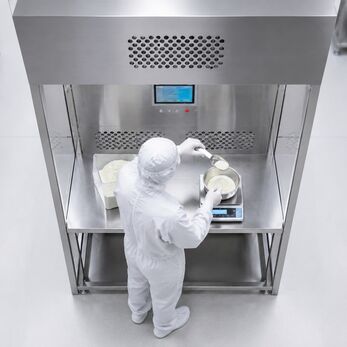
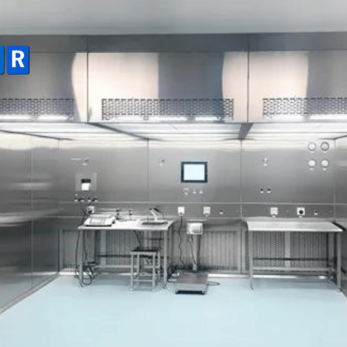
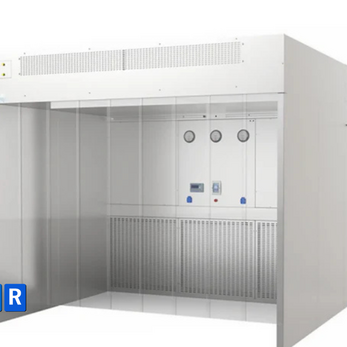
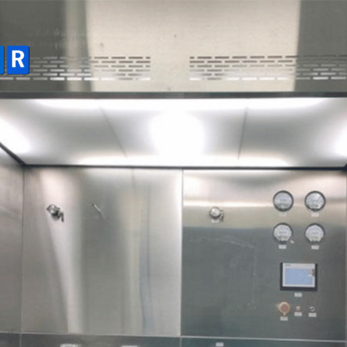
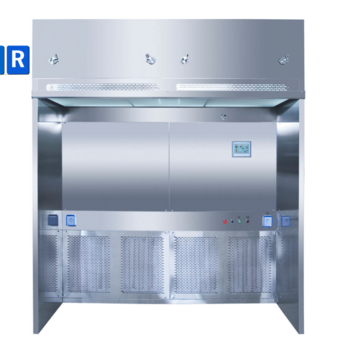
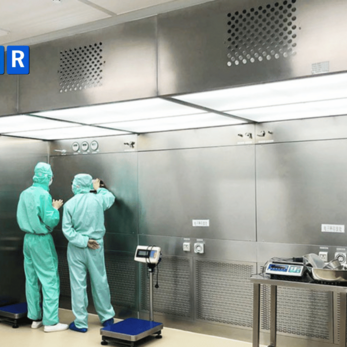
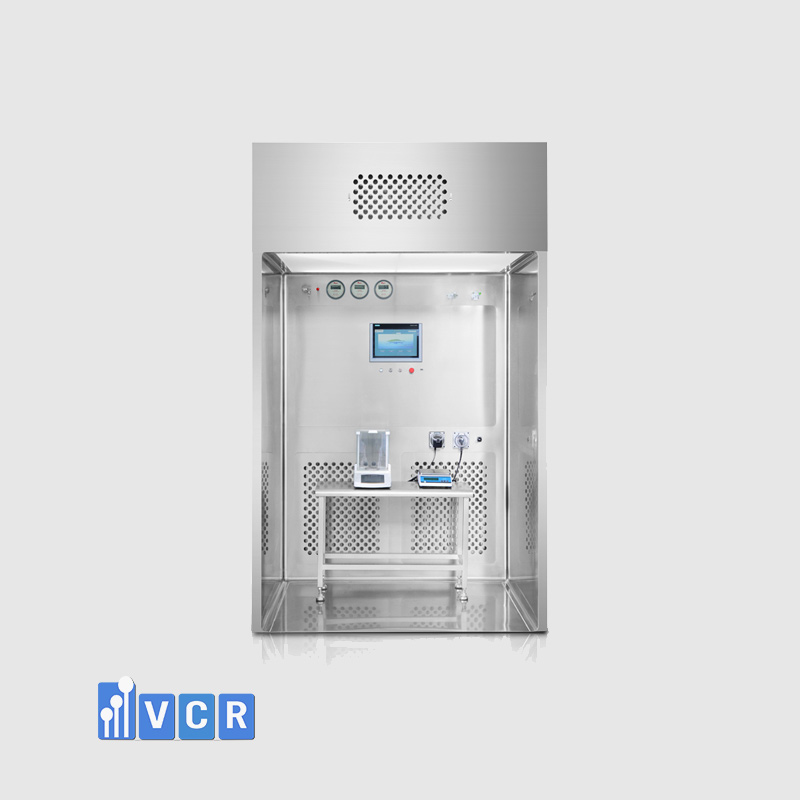
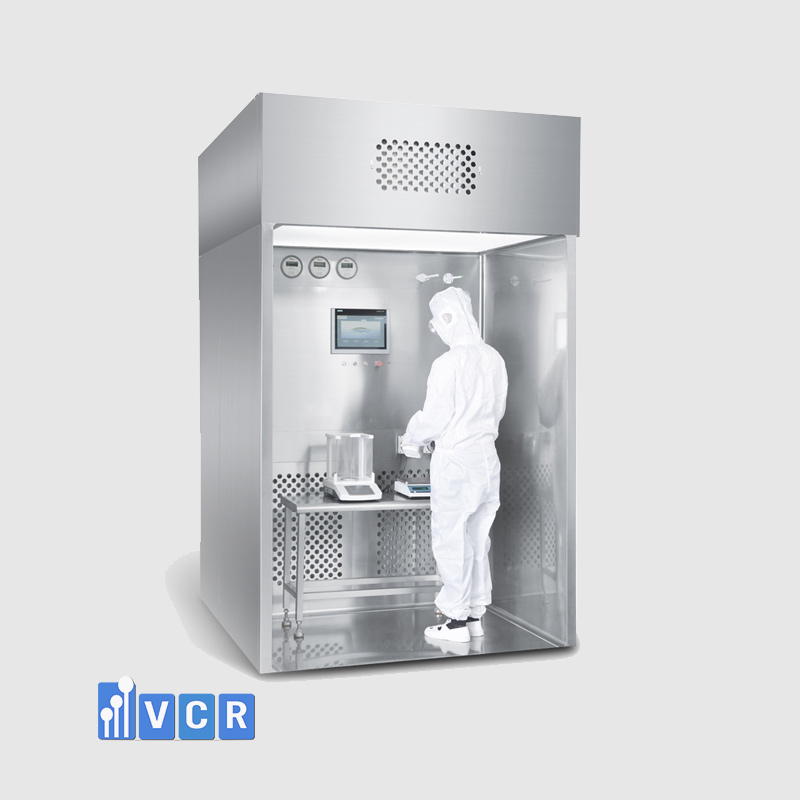
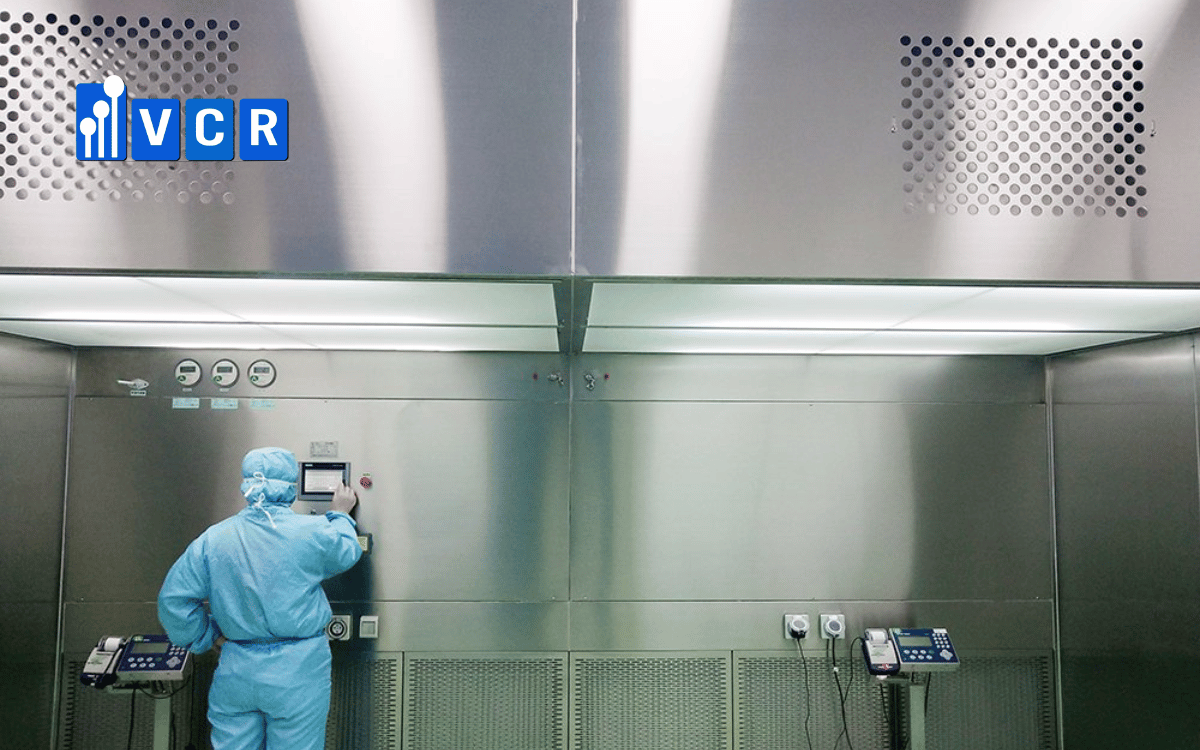
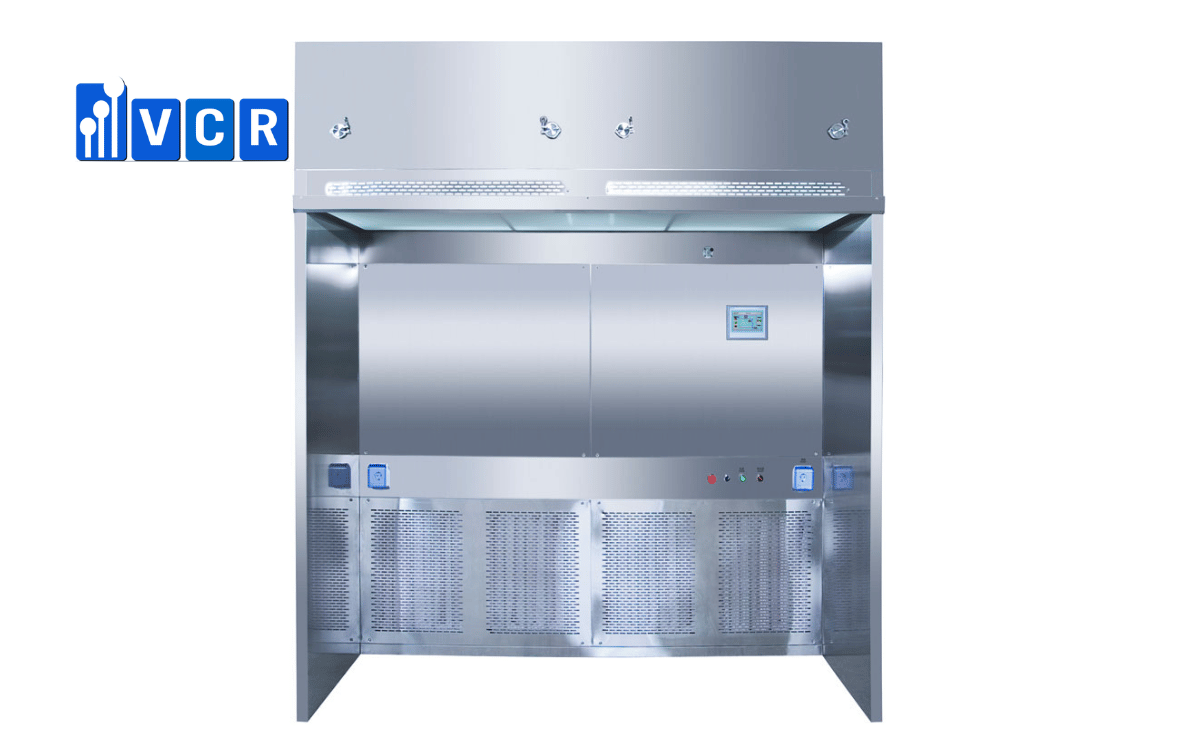
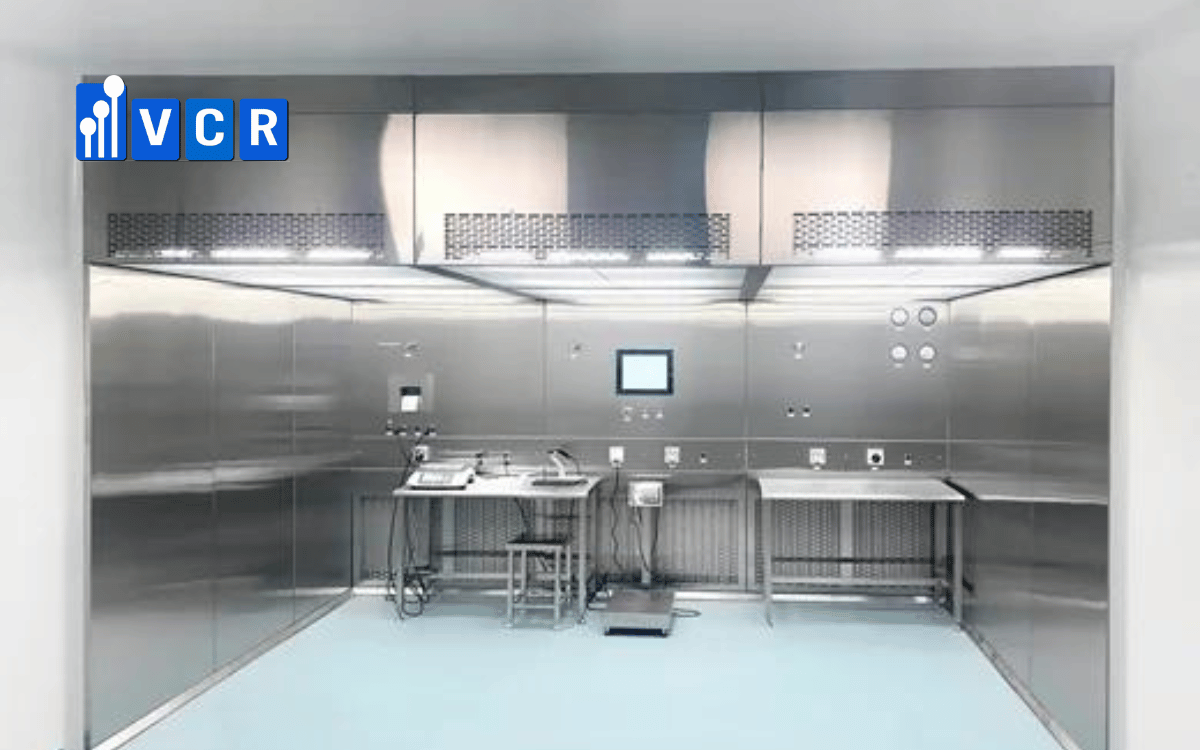
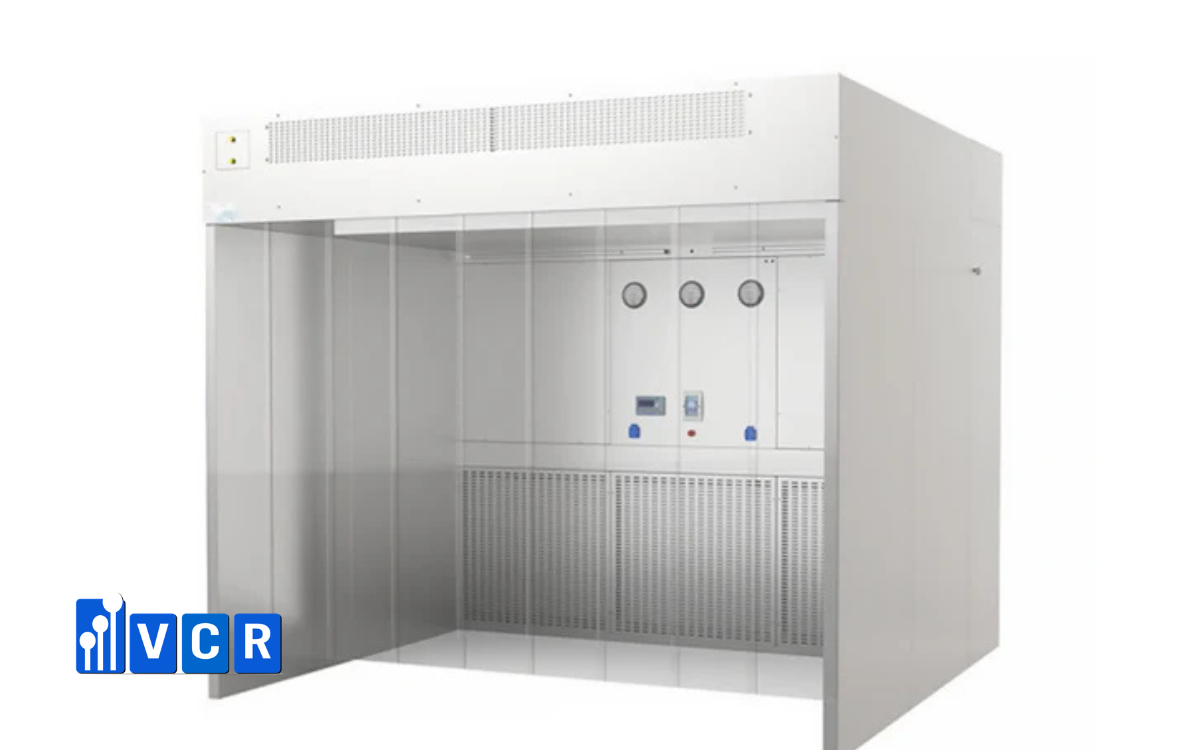
DFB stands for Downflow Booth or Dispensing Booth. It is commonly used as a weighing booth, dispensing booth or downflow clean air workstation in cleanroom facilities.
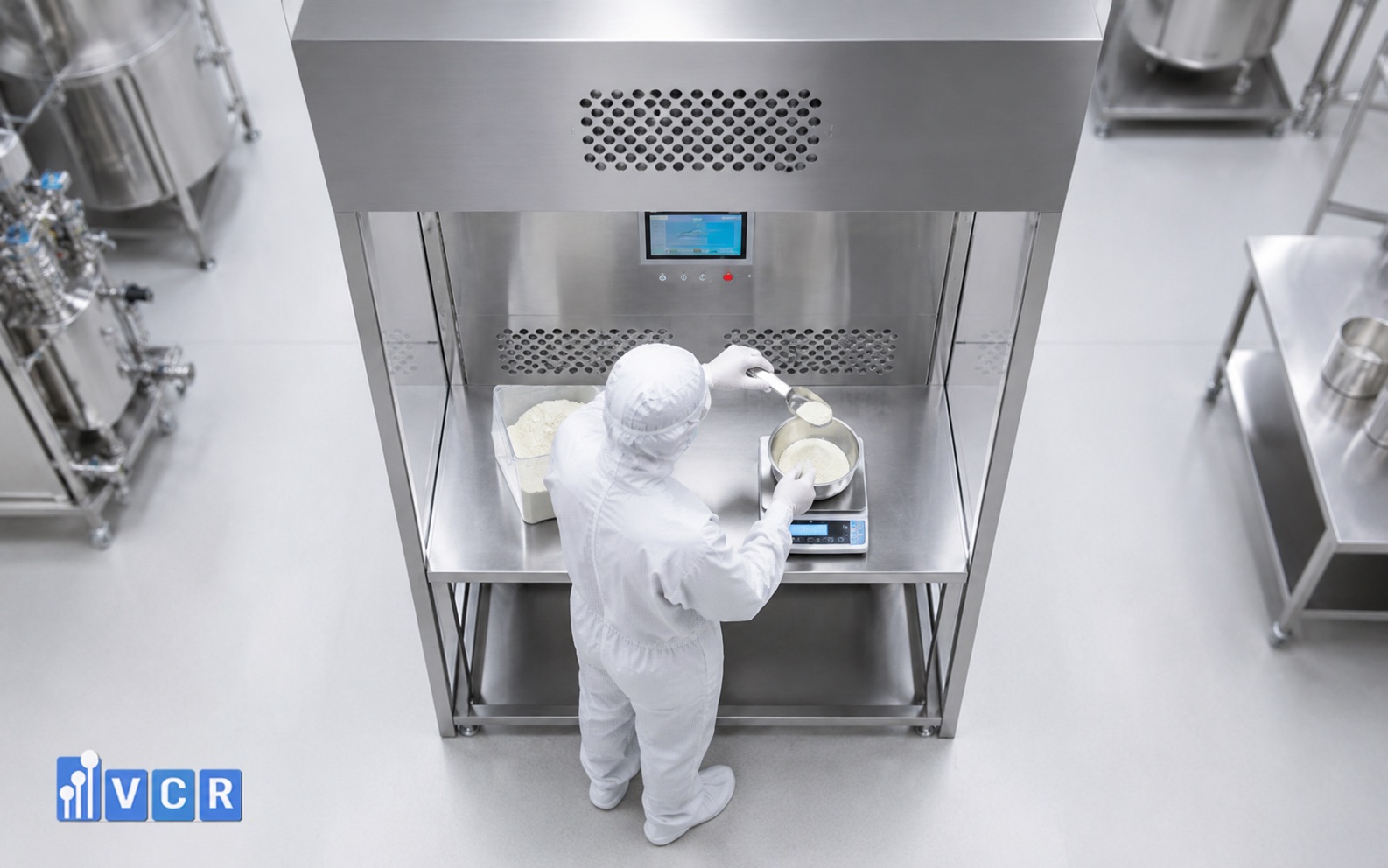
A DFB supplies clean air downward from the HEPA-filtered ceiling. The air then moves through the working area and is extracted through return air grilles, usually located at the lower or rear section of the booth. In many pharmaceutical applications, DFB systems combine air recirculation with negative pressure to control dust dispersion during weighing, dispensing or sampling of powdered raw materials.
The primary purpose of a DFB is operator protection and environmental protection. When operators handle powdered active ingredients, especially hazardous or easily dispersed materials, dust may enter the breathing zone or escape into the surrounding cleanroom. A DFB is designed to capture, extract and retain these airborne particles, reducing exposure risk and cross-contamination.
A DFB can also provide a certain level of product protection because clean air is supplied through HEPA filters. However, product protection is not its only or absolute objective. The main purpose remains dust containment and operator safety.
What Is LAF?
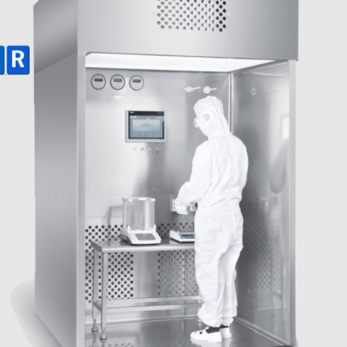
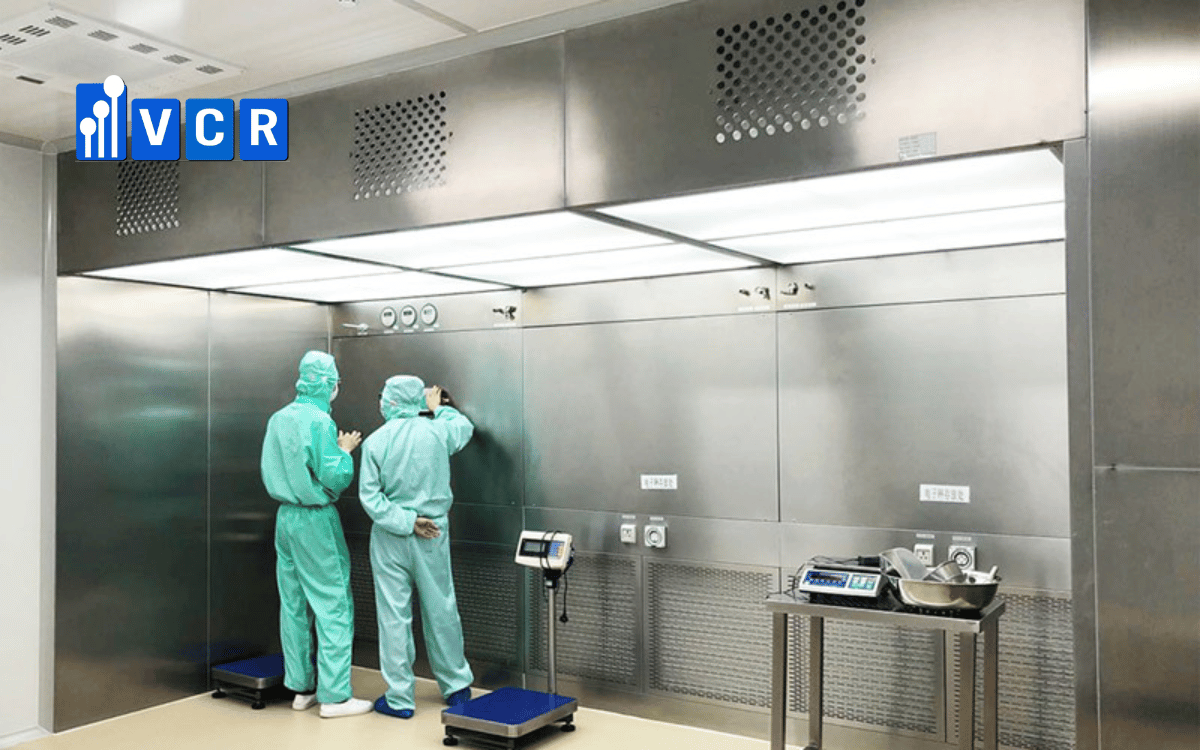
LAF stands for Laminar Air Flow. It is a clean airflow system designed to create a stable, uniform and low-turbulence airflow across a protected working zone.
In a LAF system, air passes through HEPA or ULPA filters and flows in a controlled direction, usually vertically or horizontally. This airflow sweeps particles and microorganisms away from the critical working area, helping maintain a high level of cleanliness around the product.
The primary purpose of LAF is product protection. It is commonly used in sterile filling, microbiological operations, tissue culture, electronics assembly, semiconductor production and other processes where the product must be protected from airborne contamination.
A standard LAF system is not mainly designed to protect operators from hazardous dust. If both operator protection and product protection are required, a special configuration such as RLAF or a biological safety cabinet should be considered, depending on the process risk and application.
Core Difference: Airflow Principle and Fan Configuration
The most important technical difference between DFB and LAF lies in how airflow is generated, distributed and controlled.
Airflow Design of DFB
A DFB typically uses a large fan or central fan system installed in the technical compartment of the booth. This fan draws return air from the lower section of the booth, pushes it through filtration stages and supplies it into a common plenum box above the working area.
The plenum box distributes air pressure before the air passes through the HEPA filters installed on the ceiling. After passing through the HEPA filters, clean air flows downward into the working zone.
Because several HEPA filters often share the same plenum pressure, a DFB usually does not control air velocity independently for each filter. When the main fan speed is increased or decreased, the airflow across the entire working area changes together.
For this reason, airflow in a DFB is generally a controlled downflow, not necessarily a perfect laminar airflow. A certain level of turbulence may occur, especially near booth edges, return air grilles or around the operator. This is acceptable in many DFB applications because the main function is to push dust toward the return air path and prevent it from escaping.
Airflow Design of LAF
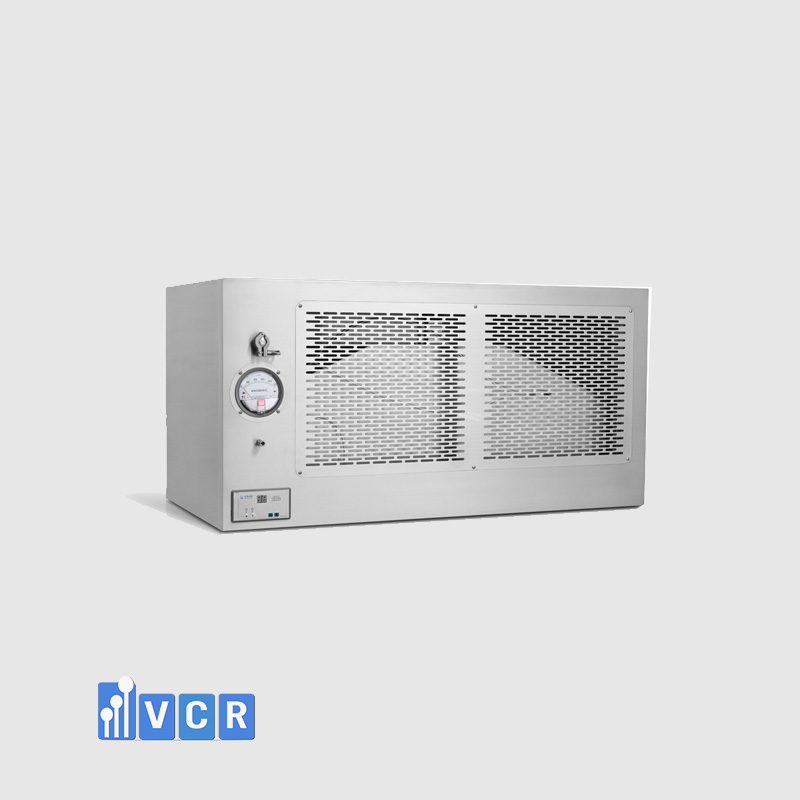
A LAF system is designed to generate a more uniform and stable airflow. Modern LAF systems often use multiple fan-filter modules or FFU units. Each module may have its own fan and HEPA filter, allowing more precise airflow control across the supply air surface.
This modular structure helps the LAF system maintain uniform air velocity across the protected area. If one filter area has higher resistance due to dust loading, the corresponding fan can be adjusted to compensate, depending on the control system design.
The goal of LAF is to create clean air moving in straight, parallel and low-turbulence lines. This airflow forms a protective clean air barrier over the product, removing particles and microorganisms before they can settle on critical surfaces.
In many sterile pharmaceutical applications, laminar airflow velocity is commonly controlled around a design reference value such as 0.45 m/s, with allowable tolerance depending on the applicable standard, project URS and validation requirements. The final acceptance value should always be based on the project specification and qualification results.
Quick Comparison Between DFB and LAF
| Criteria | DFB | LAF |
|---|---|---|
| Full name | Downflow Booth / Dispensing Booth | Laminar Air Flow |
| Common use | Weighing booth, dispensing booth, sampling booth | LAF cabinet, LAF ceiling, LAF trolley |
| Main protection target | Operator and surrounding environment | Product |
| Airflow direction | Downward airflow with return air extraction | Stable laminar airflow across the product zone |
| Pressure concept | Usually negative pressure | Usually positive pressure in the protected area |
| Fan configuration | Central fan or large fan with common plenum | Multiple FFU modules or independent fan-filter units |
| Airflow characteristic | Controlled downflow, may have slight turbulence | Uniform, straight and low-turbulence airflow |
| Filtration design | Multi-stage filtration for high dust load | Final HEPA or ULPA filtration for high cleanliness |
| Typical applications | Powder weighing, raw material dispensing, sampling | Sterile filling, microbiology, electronics, semiconductors |
| Risk of wrong selection | Dust escape, operator exposure, cross-contamination | Poor product protection, failure to meet local cleanliness class |
Pressure Control and Airflow Direction
Pressure control is another key factor that separates DFB from LAF. Both systems supply clean air, but they use pressure in different ways.
Airflow and Pressure in DFB
In a DFB, clean air flows downward from the HEPA-filtered ceiling into the working area. When powdered materials are weighed or dispensed, airborne dust is pushed downward and captured through return air grilles.
The return air then passes through primary and intermediate filters, moves through the recirculation fan and is supplied back to the upper plenum. A small portion of air may be exhausted from the system to create negative pressure inside the booth.
This negative pressure helps ensure that surrounding cleanroom air moves into the DFB instead of allowing dust inside the booth to escape outward. This is essential for operator protection and cross-contamination control.
Airflow and Pressure in LAF
In a typical LAF system, clean air passes through HEPA or ULPA filters and flows directly across the product zone. After passing through the working area, the air may be discharged to the surrounding room or returned to the system, depending on the equipment design.
For product protection applications, the LAF zone is usually maintained cleaner and more positively pressurized than the surrounding area. This helps prevent uncontrolled room air from entering the critical product protection zone.
However, not all LAF systems are identical. RLAF systems used for weighing or sampling hazardous active ingredients may include return air and negative pressure while still maintaining laminar airflow at the working area. Therefore, equipment should always be evaluated based on airflow diagram, pressure mode, protection objective and validation requirements, not only by its commercial name.
Filtration System and Dust Handling Capability
DFB and LAF use different filtration concepts because they are designed to control different types of contamination.
Filtration System in DFB
A DFB often handles a high dust load generated from powdered raw materials. If this dust reaches the HEPA filter directly, the filter may clog quickly, causing high differential pressure and reduced airflow performance.
For this reason, DFB systems are usually designed with multiple filtration stages.
The first stage is typically a coarse or primary filter installed at the return air intake. This filter captures larger dust particles, fibers and visible contaminants.
The second stage is usually an intermediate filter. It reduces the dust load before air reaches the fan and the final filtration stage.
The final stage is the HEPA filter, typically installed at the ceiling to supply clean air back into the working zone. In high-requirement applications, HEPA H14 or an equivalent grade may be used, depending on the project specification.
This multi-stage filtration design improves system stability, protects the final HEPA filter and extends filter service life in dusty operations.
Filtration System in LAF
A LAF system usually operates inside a cleanroom that is already controlled by HVAC. Therefore, the inlet air is generally cleaner than the air handled by a DFB during powder operations.
The main function of LAF filtration is to remove remaining fine particles and microorganisms before air reaches the critical product zone. For this reason, LAF systems focus heavily on final HEPA or ULPA filtration.
In sterile and high-cleanliness applications, filter integrity, leak testing, installation tightness and air velocity distribution are more important than high dust loading capacity.
Therefore, a standard LAF system should not be used as a replacement for a DFB in dust-generating processes unless it is specially designed to provide both product protection and operator protection.
Investment Cost, Operation and Maintenance
The different airflow structures of DFB and LAF also lead to different cost and maintenance characteristics.
Investment Cost of DFB
A DFB is often more cost-effective when a large working area is required for weighing, dispensing or sampling. Its central fan, common plenum and multi-stage filtration design provide a practical industrial solution for dust control.
Compared with a highly modular LAF system, DFB may require fewer individual fans, fewer local controllers, fewer sensors and less complex wiring. For dust containment applications, this makes DFB a more economical and technically appropriate choice.
Investment Cost of LAF
A LAF system may have a higher cost per unit of supply air area, especially when it uses multiple fan-filter modules, air velocity sensors, differential pressure sensors and automated control systems.
This cost is justified when the main requirement is product protection at a high cleanliness level, such as sterile filling, sensitive component assembly, semiconductor manufacturing or other critical clean processes.
Maintenance of DFB
DFB maintenance is usually more centralized. Technicians can access the fan, filters and technical compartment from a defined service area. Primary filters at the return air intake are replaced regularly to reduce dust load on the system.
However, if the main fan fails, the entire DFB may need to stop operating. Therefore, preventive maintenance of the fan, inverter, filters, differential pressure monitoring system and airflow performance is very important.
Maintenance of LAF
LAF maintenance can be more complex due to its modular structure. In large ceiling-mounted systems, technicians may need to access individual FFU modules above the ceiling or service area.
If one fan-filter module fails, the affected module must be identified, replaced and rechecked. The advantage of this modular design is that one module failure may not immediately stop the whole system, depending on the system design and redundancy level.
However, in high-cleanliness zones, any issue related to airflow velocity, HEPA filter leakage or airflow uniformity must be assessed according to the quality system and validation requirements.
When Should You Choose DFB?
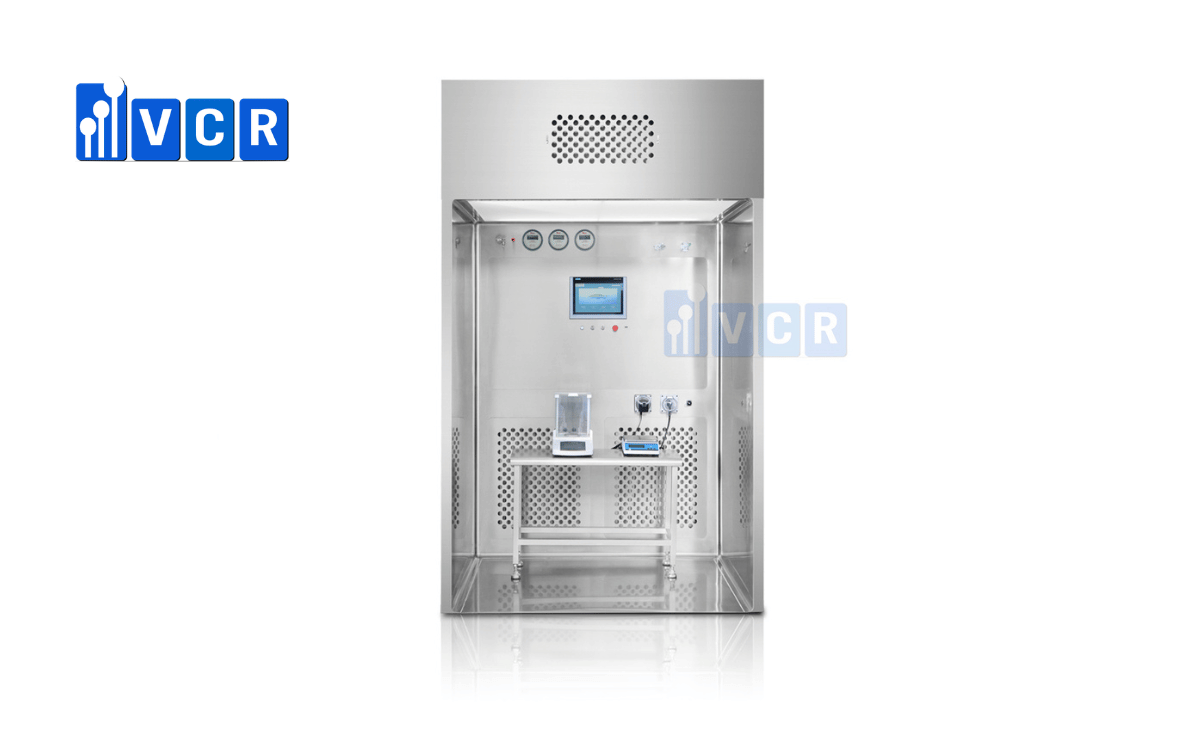
DFB should be selected when the main goal is to control dust dispersion, protect operators and reduce cross-contamination during the handling of powdered materials.
Typical applications include raw material weighing rooms, dispensing areas, sampling rooms, active ingredient handling areas, functional food powder processing and chemical powder operations.
In GMP projects, DFB design should be based on material characteristics, toxicity level, dust generation, number of operators, weighing equipment size, cleaning procedure and validation requirements.
Important parameters include downflow velocity, negative pressure, exhaust air ratio, filtration grade, noise level, lighting, stainless steel material, cleanability, alarm system and qualification documentation.
Using a standard LAF instead of a DFB for powder weighing may result in poor dust containment, operator exposure and contamination risk in the surrounding cleanroom.
When Should You Choose LAF?
LAF should be selected when the main goal is to protect the product from particles and microorganisms during critical operations.
Typical applications include sterile injectable filling, microbiological work, tissue culture, sensitive sample preparation, electronics assembly, semiconductor manufacturing and optical component handling.
In these applications, simply having a HEPA filter is not enough. The system must also maintain uniform air velocity, correct airflow direction, fast cleanliness recovery, filter integrity and low turbulence in the working zone.
Using a DFB instead of a LAF in a critical product protection area may result in unstable airflow, insufficient laminar airflow performance and difficulty meeting Grade A or required ISO Class conditions.
Common Mistakes When Confusing DFB and LAF
One common mistake is assuming that DFB and LAF are interchangeable because both use HEPA filters. In reality, the HEPA filter is only one part of the system. The full equipment design must be evaluated based on protection objective, airflow pattern, pressure concept, air velocity, return air design, filtration stages and validation results.
Another mistake is using standard LAF for dusty operations without proper return air and negative pressure. This can allow dust to spread into the cleanroom and increase operator exposure.
A third mistake is using DFB for a sterile product zone that requires highly stable laminar airflow. In this case, the product may not be adequately protected, especially in critical GMP areas.
The fourth mistake is selecting equipment based only on commercial names instead of URS and risk assessment. Two systems may both be called “weighing booth” or “LAF”, but their airflow design, pressure mode, filtration configuration and validation performance may be very different.
Equipment Selection Criteria for Cleanroom Projects
When choosing between DFB and LAF, the first question should be: what needs to be protected?
If the priority is operator protection from airborne powder, DFB or a system with return air and negative pressure should be considered. If the priority is product protection, LAF or another suitable laminar airflow system should be selected. If both operator and product protection are required, a specialized design should be developed based on process risk.
Project teams should also clarify the applicable standards and requirements, including GMP, ISO 14644, Grade A/B/C/D, ISO Class, product type, material toxicity, cleaning procedure, operating frequency, testing requirements and qualification documentation.
A suitable cleanroom airflow system is not only about the purchase price. It must support validation, cleaning, maintenance, documentation and integration with the overall cleanroom layout.
Conclusion
DFB and LAF are both important cleanroom airflow systems, but they are designed for different purposes.
DFB is suitable for weighing, dispensing, sampling and handling powdered materials. Its main purpose is to protect operators, control dust dispersion and reduce cross-contamination through downflow airflow, return air extraction and negative pressure.
LAF is suitable for processes that require high-level product protection. Its main purpose is to create stable, uniform and low-turbulence clean airflow to protect products from airborne particles, microorganisms and environmental contamination.
Understanding the true difference between DFB and LAF helps cleanroom owners, design engineers and contractors select the right equipment, avoid incorrect investment, reduce operational risk and improve the ability to meet GMP, pharmaceutical, electronics and high-tech cleanroom validation requirements.
FAQ: DFB and LAF in Cleanrooms
Are DFB and LAF the same?
No. DFB and LAF are not the same, although both may use HEPA filters. DFB is mainly designed for operator protection and dust containment during powder weighing, dispensing or sampling. LAF is mainly designed for product protection by creating a localized clean airflow zone. Equipment should therefore be selected based on the protection objective, not only on the presence of HEPA filtration.
When should DFB be used?
DFB should be used when the process generates dust, especially during weighing, dispensing, sampling or handling of powdered raw materials. It captures dust through return air grilles and usually maintains negative pressure to prevent dust from escaping into the surrounding cleanroom. This makes DFB suitable for pharmaceutical, functional food and chemical manufacturing areas that require operator protection and cross-contamination control.
When should LAF be used?
LAF should be used when the product must be protected from airborne contamination. Common applications include sterile filling, microbiological operations, tissue culture, electronics assembly and semiconductor manufacturing. LAF creates stable clean airflow across the product zone to reduce the risk of particles or microorganisms settling on the product.
Can DFB create laminar airflow like LAF?
DFB supplies clean downward airflow through HEPA filters, but it does not necessarily create the same laminar airflow performance as LAF. A DFB is designed mainly for dust control and operator protection, while LAF is designed to provide uniform, straight and low-turbulence airflow for product protection.
Can LAF be used for powder weighing instead of DFB?
A standard LAF should not be used as a direct replacement for DFB in powder weighing areas. LAF mainly protects the product and may not provide negative pressure or return air extraction for dust containment. If both clean conditions and operator protection are required, a specialized RLAF or properly designed weighing booth should be considered.
Contact Vietnam Cleanroom Equipment
If you are selecting DFB, LAF, RLAF or other clean airflow equipment for GMP, pharmaceutical, electronics, food or semiconductor projects, Vietnam Cleanroom Equipment can support you with technical consultation based on protection objectives, applicable standards and real operating conditions.
Vietnam Cleanroom Equipment provides cleanroom equipment solutions for contractors and project owners, including weighing booths, LAF systems, Pass Boxes, Air Showers, HEPA Boxes, FFU units, differential pressure gauges and supporting equipment for cleanroom design, construction, qualification and operation.
Hotline: 090.123.9008
Email: [email protected]