- Why Is a Dispensing Booth Important in Cleanrooms?
- What Is a Dispensing Booth?
- What Other Names Is a Dispensing Booth Known By?
- Which Industries Use Dispensing Booths?
- The Role of Dispensing Booths in Cleanrooms
- Basic Structure of a Dispensing Booth
- Air Filtration System in a Dispensing Booth
- Working Principle of a Dispensing Booth
- How Does Airflow Work in a Dispensing Booth?
- How Does a Dispensing Booth Protect Products?
- How Does a Dispensing Booth Protect Operators?
- How Does a Dispensing Booth Help Reduce Cross-Contamination?
- How Is a Dispensing Booth Different from Laminar Air Flow?
- How Is a Dispensing Booth Different from a Fume Hood?
- Important Technical Parameters When Selecting a Dispensing Booth
- Criteria for Selecting a Dispensing Booth for Pharmaceutical Factories
- Common Mistakes in Designing and Using Dispensing Booths
- Inspection, Acceptance Testing, and Maintenance of Dispensing Booths
- Dispensing Booths in the Overall Cleanroom Design
- When Should a Factory Invest in a Dispensing Booth?
- FAQ: Frequently Asked Questions About Dispensing Booths
- Is a Dispensing Booth Mandatory in Pharmaceutical Factories?
- Can a Dispensing Booth Create ISO 5 Cleanliness?
- Can a Dispensing Booth Replace a Cleanroom?
- Should a Dispensing Booth Use HEPA H13 or H14 Filters?
- Does a Dispensing Booth Require Periodic Inspection?
- How Is a Dispensing Booth Different from a Scale in a Normal Cleanroom?
- What Should Cleanroom Contractors Consider When Selecting a Dispensing Booth?
- A Dispensing Booth Is Risk-Control Equipment at the Dust-Generation Point
A Dispensing Booth is an important piece of equipment used in weighing, dispensing, sampling, and handling powder materials in cleanrooms. It helps control dust, reduce cross-contamination, and protect operators. This article explains the structure, working principle, and role of a Dispensing Booth in cleanroom environments.
Why Is a Dispensing Booth Important in Cleanrooms?
In pharmaceutical, cosmetic, nutraceutical, high-purity chemical, and many other controlled manufacturing facilities, areas for weighing, dispensing, sampling, filling, or handling powder materials are always critical risk points. When raw material bags are opened, when powders are poured into containers, when operators weigh materials or take samples for testing, fine dust can disperse very quickly into the air if there is no suitable control solution.
The issue is not merely that the working area becomes dirty. In a cleanroom environment, raw material dust can cause cross-contamination between products, affect the purity of a production batch, distort weighing accuracy, and create risks of unstable product quality. For operators, frequent exposure to powder dust, especially materials that are active, odorous, or potentially irritating, can also affect health if protection relies only on masks or personal protective equipment.
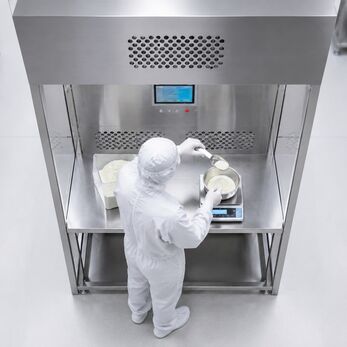
A Dispensing Booth, also known as a material dispensing booth, is used to control this risk directly at the point where dust is generated. The equipment creates a working zone with controlled airflow, helping draw dust into the filtration system, limiting its release into the surrounding environment, and supporting the maintenance of clean production conditions. Therefore, a Dispensing Booth is not merely auxiliary equipment; it is an important part of the contamination control strategy in modern cleanrooms.
What Is a Dispensing Booth?
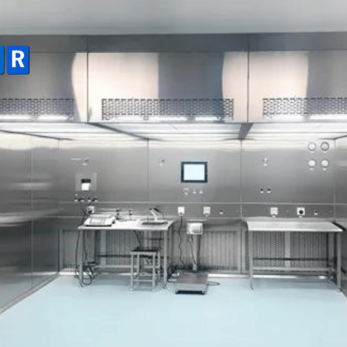
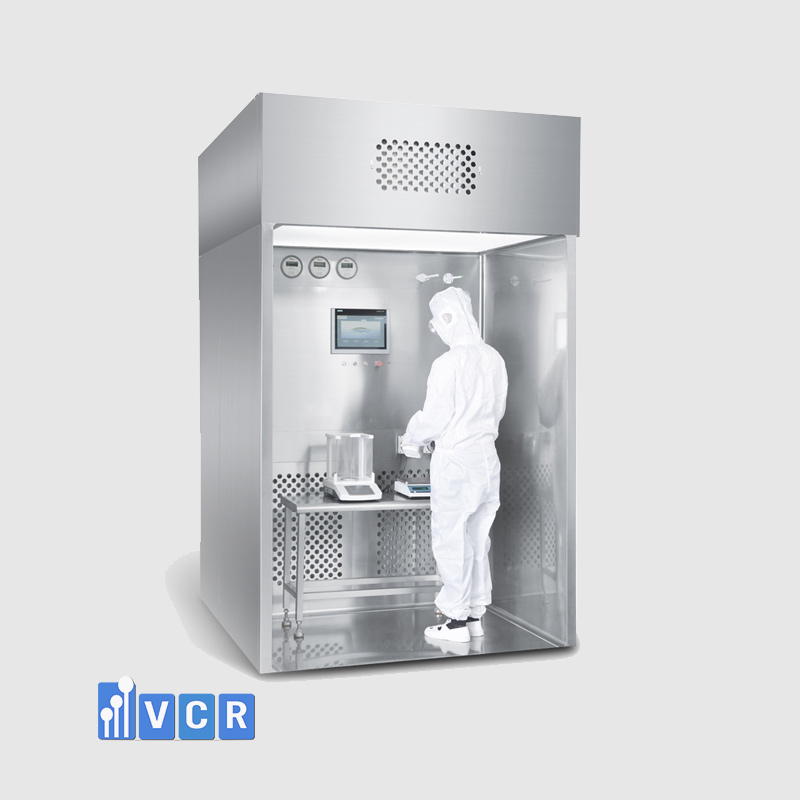
A Dispensing Booth is a material dispensing chamber, operation booth, or sampling station with controlled airflow. It is commonly used in cleanrooms to handle operations that may generate dust. This equipment is often installed in raw material weighing areas, incoming material sampling areas, powder dispensing areas, semi-finished product preparation areas, or places where loose materials are handled in pharmaceutical, cosmetic, nutraceutical, and high-purity chemical factories.
In essence, a Dispensing Booth is not simply a working chamber with a fan and filters. It is a local air-control system designed to create a safer operating zone for products, operators, and the surrounding environment. When operators open raw material bags, pour powder, weigh materials, or take samples, fine dust can disperse into the air. A Dispensing Booth helps control this dust by creating directional airflow, drawing dust into the return-air system, passing the air through multiple filtration stages, and supplying clean air back into the working area.
In practice, this equipment is known by several English names. A Dispensing Booth is a material dispensing booth. A Sampling Booth is a raw material sampling booth. A Weighing Booth is a raw material weighing booth. A Downflow Booth is a booth with air flowing from top to bottom. A Powder Containment Booth is a booth designed to control powder dust. These names may vary depending on the application, but they all follow the same principle: controlling airflow, limiting dust dispersion, and reducing the risk of cross-contamination in the working area.
A standard Dispensing Booth usually combines several technical elements, such as HEPA filters, which are high-efficiency filters used to capture fine airborne particles; unidirectional airflow, which means air moving in a stable direction; air recirculation, where air drawn back into the system passes through filters and circulates back into the working area; and a differential pressure monitoring system to control filter status. Thanks to these features, the Dispensing Booth becomes an important piece of equipment in areas that require dust control, cross-contamination control, and suitable operating conditions in cleanrooms.
What Other Names Is a Dispensing Booth Known By?
In practice, a Dispensing Booth may be called by different names depending on the industry, contractor habits, or the main function of the equipment in a specific project. The most common name is Dispensing Booth, meaning a material dispensing booth. This term is frequently used in pharmaceutical, cosmetic, nutraceutical, and high-purity chemical factories, where materials need to be weighed, divided, sampled, or prepared before entering the next production stage.
Another name is Weighing Booth, meaning a weighing booth. This term is usually used when the equipment is mainly arranged for weighing raw materials. When the equipment is used in incoming material inspection areas, it may be called a Sampling Booth, meaning a sampling booth. In this case, the focus is on taking a representative sample from a bag, drum, or material package under controlled conditions.
Some technical documents also use the term Downflow Booth, meaning a booth that blows air downward. This name emphasizes the airflow principle of the equipment: clean air is supplied from above into the working zone, helping carry dust toward the return-air area. In applications requiring stricter powder dust control, the equipment may be called a Powder Containment Booth. This term emphasizes its ability to limit dust from dispersing outside the booth and reduce potential effects on operators.
In addition, some companies use the term Laminar Flow Dispensing Booth, meaning a dispensing booth with laminar airflow. This name usually appears when the equipment is designed to create a stable, directional clean airflow in the working area. In general, although the names differ, these terms all revolve around one primary goal: controlling airflow, controlling dust, protecting products, protecting operators, and helping reduce the risk of cross-contamination in cleanrooms.
Which Industries Use Dispensing Booths?
Dispensing Booths are used in many manufacturing industries that require contamination control, especially industries that frequently handle powder materials, fine particles, active ingredients, or materials that need protection from the external environment. The most common applications include pharmaceuticals, cosmetics, nutraceuticals, high-purity chemicals, biotechnology, veterinary medicine, medical devices, and several other manufacturing fields requiring dust control, cross-contamination control, or controlled operating conditions.
In pharmaceutical factories, Dispensing Booths are usually installed in raw material weighing areas, incoming material sampling areas, formulation areas, or semi-finished product preparation areas. These are locations with a high risk of dust generation because operators often open bags, open containers, divide materials, weigh ingredients, or take samples for testing. Without a suitable control solution, raw material dust can spread to the surrounding area, cause cross-contamination between products, and affect the stability of the production process.
For the cosmetics and nutraceutical industries, Dispensing Booths also play a very important role. Many materials such as color powders, fragrances, vitamins, minerals, plant extracts, or powdered additives can become airborne during weighing and dispensing. The equipment helps reduce airborne dust, limits material buildup on room surfaces, equipment, and operator garments, and makes the working area cleaner, easier to clean, and less prone to cross-contamination between product formulas.
In high-purity chemical, biotechnology, veterinary, and medical-device industries, Dispensing Booths are used when materials require stricter control in terms of cleanliness, safety, or dispersion potential. The equipment creates a localized controlled zone, supporting operator protection, material protection, and stable production conditions. Therefore, Dispensing Booths are not only suitable for pharmaceutical factories but are also essential solutions for many modern manufacturing industries with high environmental control requirements.
The Role of Dispensing Booths in Cleanrooms
Dispensing Booths play an important role in cleanrooms because they control risks directly at the dust-generation point. In pharmaceutical, cosmetic, nutraceutical, or high-purity chemical factories, operations that seem simple, such as opening raw material bags, pouring powder into containers, weighing materials, or taking samples, can generate a large amount of dust. If not controlled, dust can spread into the surrounding environment, settle on equipment surfaces, affect operators, and increase the risk of cross-contamination between products.
The first role of a Dispensing Booth is to protect products from environmental contamination. When materials are opened during weighing or sampling, the product may come into direct contact with air, dust, suspended particles, or impurities from the surrounding area. A Dispensing Booth creates a working zone with controlled airflow, usually combined with HEPA filters to supply clean air into the working area. As a result, the risk of environmental dust falling into materials is reduced, making the operation more stable and safer.
The second role is to protect operators from raw material dust. In many manufacturing industries, especially pharmaceuticals and chemicals, powder materials may be irritating, odorous, or active. If operators regularly inhale dust during weighing and dispensing, their health may be affected. A Dispensing Booth creates directional airflow that draws generated dust toward the return-air area and filtration system, reducing the amount of dust that flows back toward the operator.
The third role is to protect the surrounding area from dust dispersion. In a cleanroom, it is not enough to rely solely on the general HVAC system to handle every source of contamination. HVAC stands for heating, ventilation, and air conditioning, and its function is to control the general room environment. However, when dust is generated directly at the working point, a more effective local control solution is needed. A Dispensing Booth serves as an intermediate solution between production requirements and safety requirements. It helps capture dust at the source, reduce its release into the room, and support the maintenance of stable clean conditions throughout the production area.
Basic Structure of a Dispensing Booth
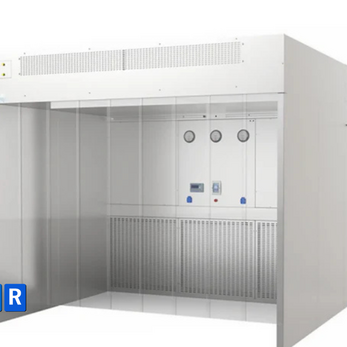
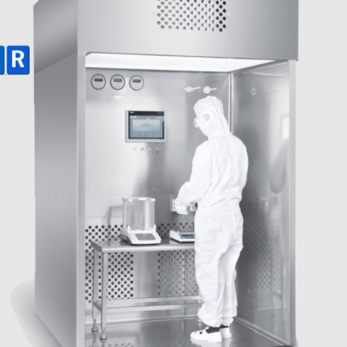
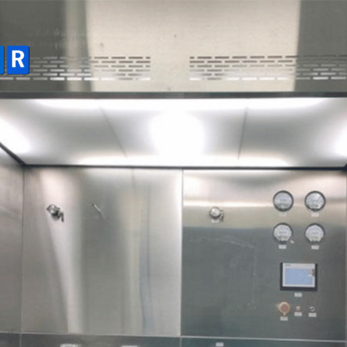
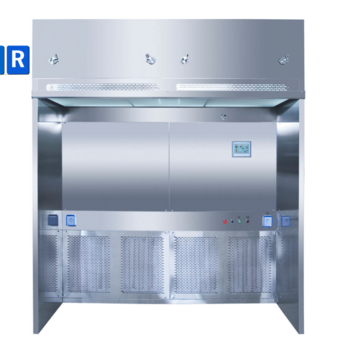
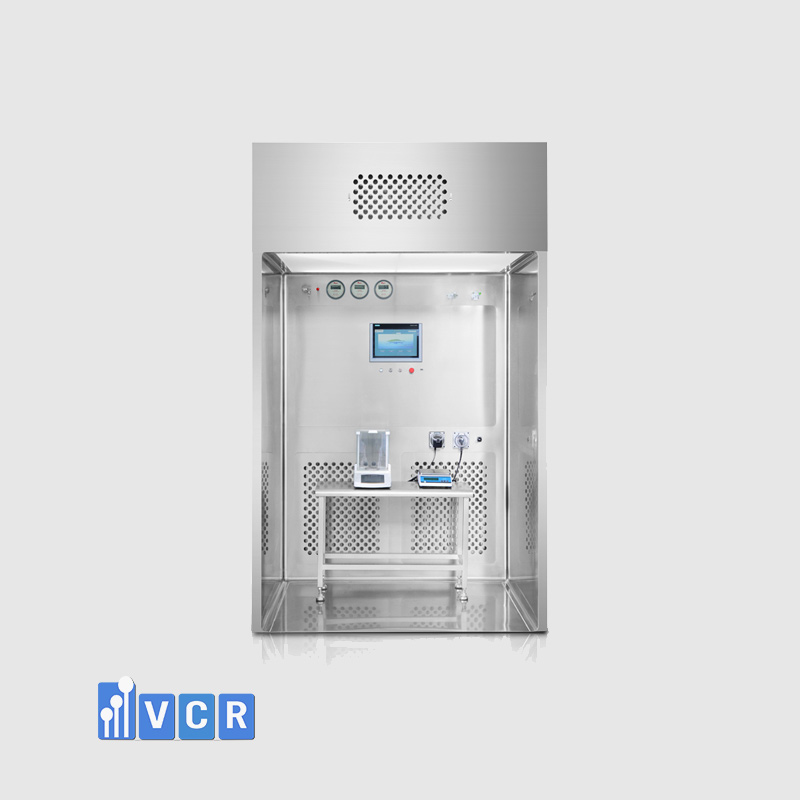
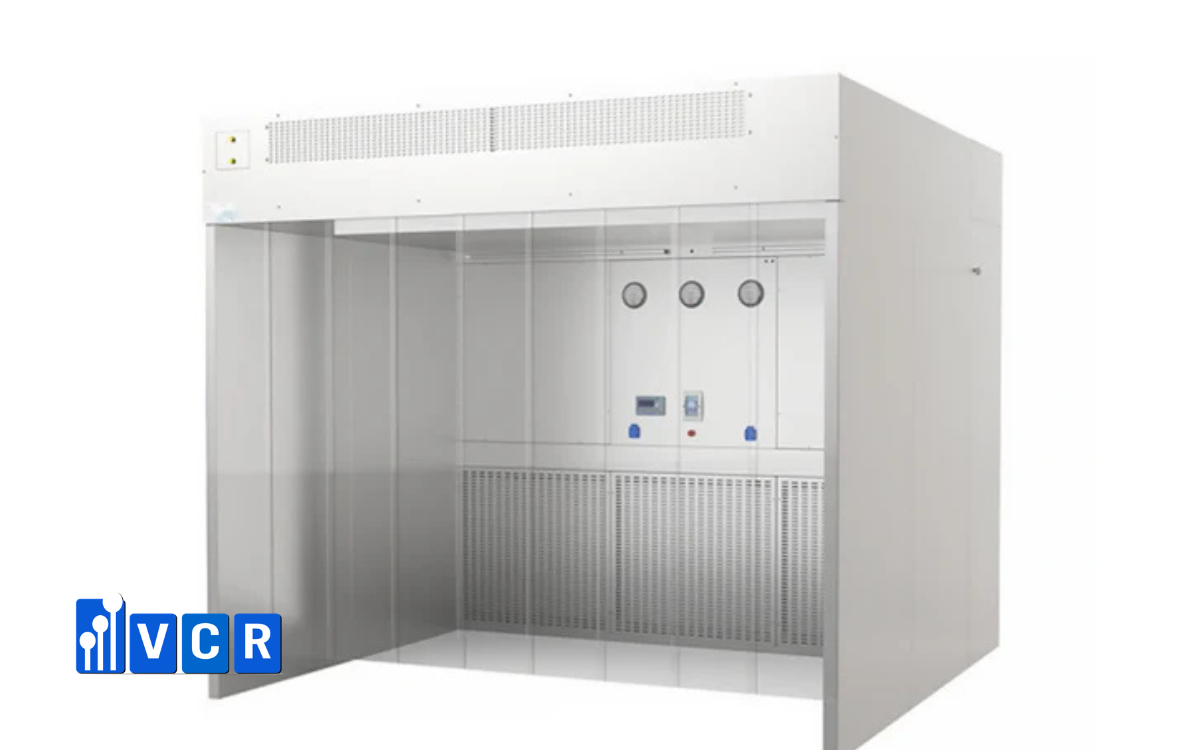
A Dispensing Booth is composed of several components that together create a local air-control system inside a cleanroom. Depending on the cleanliness class, purpose of use, size of the working area, and requirements of each factory, the detailed structure may vary. However, a basic Dispensing Booth usually includes main components such as the body, working chamber, fan unit, air filtration system, supply-air outlet, return-air grilles, lighting, differential pressure gauges, control panel, and several optional technical features.
The body is the outer enclosure of the equipment, providing structural stability and defining the operating zone. Common materials include stainless steel 304, powder-coated steel, or a combination of cleanroom panels, depending on project requirements. Stainless steel 304 is often preferred in areas with high hygiene requirements because its surface is smooth, easy to clean, less likely to accumulate dust, and resistant to corrosion. In projects that require cost optimization or fixed installation as part of the room, the body may use powder-coated steel or a combined cleanroom panel structure.
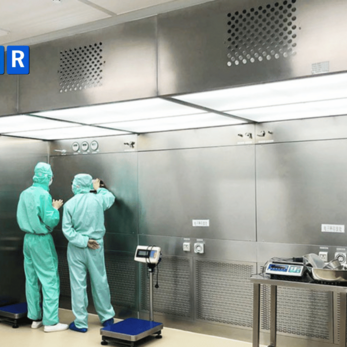
The working chamber is the main area where operators perform tasks such as opening raw material bags, weighing materials, taking samples, pouring powder, or preparing semi-finished products. The working chamber size must be designed according to the actual process, including the size of scales, containers, carts, material bags, and the space operators need for handling. If the working chamber is too small, operators will find it difficult to work and may easily disturb the airflow. If it is too large but the airflow rate is insufficient, dust-control efficiency may be reduced.
The fan unit creates suction and discharge forces for the entire air circulation process. The fan draws dust-laden air from the working area into the filtration system, then supplies clean air back into the working zone. Fan capacity, airflow volume, and noise level must be calculated properly to ensure effective dust control without causing discomfort to operators during work.
The air filtration system usually includes a pre-filter, intermediate filter, and HEPA filter. The pre-filter captures larger dust particles, helping reduce the load on downstream filters. The intermediate filter continues to capture smaller particles before the air reaches the final filter stage. HEPA is a high-efficiency filter used to retain fine airborne particles and is commonly used to create clean airflow supplied into the working zone. This is one of the most important parts of a Dispensing Booth because it directly affects the quality of airflow in the working area.
The supply-air outlet is usually positioned above the working chamber to deliver clean air downward into the working area. Return-air grilles are usually located at the bottom, rear, or sides of the equipment to capture dust-laden air generated during operation. The coordination between the supply-air outlet and the return-air grilles determines the direction of airflow, which in turn affects dust capture and the ability to limit dust dispersion outside the booth.
In addition to these main components, a Dispensing Booth may also include lighting to ensure sufficient visibility during operations, differential pressure gauges to monitor filter status, a control panel for operating the fan and electrical system, sensors for monitoring necessary parameters, electrical outlets, or optional features such as differential pressure alarms, airflow speed adjustment, display screens, filter test ports, and intelligent control systems. These options are not always the same and should be selected according to operating requirements, acceptance standards, and the characteristics of each factory.
Air Filtration System in a Dispensing Booth
The air filtration system is the core component that determines dust-control performance and airflow quality in a Dispensing Booth. When operators perform tasks such as opening raw material bags, weighing powder, taking samples, or dispensing materials, fine dust can disperse into the air. If this dust is not collected and filtered properly, it can return to the working zone, settle on equipment surfaces, or spread into the surrounding cleanroom area. Therefore, Dispensing Booths are usually designed with multiple filtration stages to treat air step by step.
The first filtration stage is usually the pre-filter. The pre-filter captures larger dust particles, fibers, or relatively large impurities in the return-air stream. This initial protective layer reduces the load on downstream filters. Without a pre-filter, larger dust particles could quickly contaminate the intermediate filter and HEPA filter, causing resistance to increase rapidly and reducing the operating efficiency of the equipment.
After the pre-filter comes the intermediate filter. The intermediate filter captures smaller particles and further reduces the load on the final filter. Its role is very important because it helps extend the service life of the HEPA filter, reduces filter replacement frequency, and maintains more stable airflow during operation. In areas where large amounts of dust are generated, selecting the right intermediate filter directly affects long-term operating costs.
The most important filtration stage in a Dispensing Booth is the HEPA filter. HEPA is a high-efficiency filter used to capture fine airborne particles. In applications that require high cleanliness levels, HEPA H13 or H14 filters are commonly used to control dust particles in the supply air entering the working zone. H13 and H14 are high-efficiency filter grades suitable for environments requiring strict dust control, such as pharmaceuticals, cosmetics, nutraceuticals, and high-purity chemicals.
In terms of air recirculation, air inside the Dispensing Booth is usually drawn back through return-air grilles located at the bottom, rear, or sides of the working chamber. The air carrying dust generated during operations passes through the filtration system and is then supplied back into the working area as clean air. This process creates a local air-control loop, helping limit dust dispersion to the outside.
During operation, monitoring filter differential pressure is essential. An abnormally high differential pressure may indicate that the filter is dirty, clogged, or needs inspection. Conversely, a differential pressure that is too low may indicate that the filter is not sealed properly, there is leakage, or the system is not operating correctly. Therefore, a differential pressure gauge is not merely a device for displaying parameters; it is also a tool that helps operators know when to clean, inspect, or replace filters to maintain the performance of the Dispensing Booth.
Working Principle of a Dispensing Booth
The working principle of a Dispensing Booth is based on controlling airflow within a localized operating zone. Instead of allowing generated dust to disperse freely in the cleanroom, the equipment creates directional airflow that supplies clean air into the working area while collecting dust-laden air into the filtration system. As a result, operations such as opening raw material bags, weighing powder, taking samples, or dispensing materials are carried out under safer and more stable conditions.
The process begins with the fan unit inside the equipment. When the Dispensing Booth operates, the fan creates suction to draw air from the working zone toward the return-air grilles, which are usually located at the bottom, rear, or sides of the working chamber. This air may carry raw material dust generated during handling. Instead of allowing the dust to spread into the room, the return-air system collects contaminated air and brings it into the filtration stages inside the equipment.
After being drawn back, the air passes through the filtration system, including the pre-filter, intermediate filter, and HEPA filter. HEPA is a high-efficiency filter used to capture fine airborne particles. The pre-filter captures larger dust particles, the intermediate filter continues to reduce the load on the final filter, and the HEPA filter removes fine particles before the air is supplied back into the working zone. Through this process, the filtered air becomes cleaner and suitable for creating a protective airflow in the working area.
Clean air after filtration is blown from the top down into the operating area. This principle is commonly referred to as downflow, meaning airflow from top to bottom. Downward airflow helps cover the weighing, sampling, or powder-handling area while pushing generated dust toward the return-air opening. When the airflow is designed to be stable, it helps prevent dust from flowing back toward the operator or spreading into the surrounding cleanroom space.
In some designs, the Dispensing Booth is also described as having laminar flow, meaning airflow with a stable directional movement. Laminar flow should not be understood simply as “strong wind”; rather, it refers to airflow that is controlled in terms of direction, speed, and turbulence level. When airflow is stable, dust generated in the working area is more easily drawn into the return-air system instead of swirling in the air or spreading outside the booth.
The efficiency of a Dispensing Booth depends on many technical and operational factors. Air velocity must be sufficient to control dust, but not so high that it disturbs the material or causes discomfort to operators. Airflow direction must be designed according to the positions of scales, containers, material bags, and operator posture. Equipment tightness, filter condition, differential pressure level, arrangement of items inside the working chamber, and operating procedures also directly affect dust-control performance. Therefore, a Dispensing Booth can only perform well when it is correctly selected, properly installed, periodically inspected, and operated according to suitable procedures.
How Does Airflow Work in a Dispensing Booth?
Airflow in a Dispensing Booth is designed as a controlled circulation loop, creating a clean working zone while collecting dust generated during weighing, sampling, or handling powder materials. Basically, clean air that has passed through the HEPA filter is supplied from the top down into the working area. HEPA is a high-efficiency filter used to capture fine airborne particles. This airflow covers the operating zone, passes through the area where scales, material bags, containers, or sampling points are located, and then carries generated dust toward the return-air grilles.
Return-air grilles are usually located at the bottom, rear, or sides of the working chamber. When operators open bags, pour powder, or weigh materials, fine dust tends to disperse into the air. The downward airflow helps direct dust toward the return-air area instead of allowing it to float freely into the cleanroom. The dust-laden air is then drawn into the equipment, passes through filtration stages such as the pre-filter, intermediate filter, and HEPA filter, and is supplied again into the working zone as clean air.
In some designs, the Dispensing Booth may recirculate most of the air inside the equipment, while in other designs, part of the air may be exhausted outside or connected to a separate exhaust system. This design approach usually depends on the material properties, dust-generation level, operator safety requirements, and each factory’s regulations. For materials with odors, active properties, or stricter control requirements, the exhaust or air treatment approach should be carefully evaluated during the design stage.
Therefore, a Dispensing Booth should not be understood simply as a device that “blows air downward.” Its essence is to create a directional air-control loop with a filtration system and a defined dust-dispersion control zone. The coordination between supply air, return air, filters, and the geometry of the working chamber determines the dust-control efficiency of a Dispensing Booth in a cleanroom.
How Does a Dispensing Booth Protect Products?
A Dispensing Booth protects products by creating a localized clean working zone where the supply air entering the working area has passed through a HEPA filter. HEPA is a high-efficiency filter used to capture fine airborne particles. When materials are opened, weighed, sampled, or transferred into containers, clean air flowing from above covers the operating area and helps prevent dust from the surrounding environment from falling directly into the material.
In cleanrooms, products or raw materials must not only be protected from visible dust but also from fine particles, impurities, and contamination sources that may affect quality. This is especially important in weighing areas, where raw materials are often exposed and not sealed like finished products. This is the point at which products are most vulnerable to environmental influence if no suitable control solution is in place.
A Dispensing Booth reduces this risk by maintaining directional airflow in the working zone. Clean air is supplied into the working area and then carries generated dust or suspended particles toward the return-air grilles for filtration. As a result, weighing or sampling areas are better controlled than when operations are performed directly in a normal room environment.
For pharmaceutical, cosmetic, or nutraceutical factories, controlling the raw material weighing area has a direct impact on production batch quality. If materials are mixed with dust, impurities, or contaminants from other products, the purity, uniformity, and stability of the formula may be affected. Therefore, a Dispensing Booth not only supports cleaner operations but also helps protect product quality right from the raw material preparation stage.
How Does a Dispensing Booth Protect Operators?
A Dispensing Booth protects operators by controlling dust generated directly in the operating zone. When workers open raw material bags, pour powder, weigh materials, or take samples, fine dust may rise and enter the operator’s breathing zone. If this operation occurs frequently, especially in environments with many powder materials, operators may be exposed to dust for long periods, causing discomfort, irritation, or health effects.
The protective mechanism of a Dispensing Booth lies in its directional airflow. Clean air is blown from the top down into the working area, while dust-laden air is drawn toward return-air grilles located at the bottom, rear, or sides of the equipment. Thanks to this airflow direction, dust generated during operations is collected into the filtration system instead of flowing back toward the operator’s face, nose, and mouth. This helps reduce dust concentration in the working zone and improves operating conditions.
However, a Dispensing Booth does not completely replace personal protective equipment. Operators still need to use masks, gloves, safety goggles, cleanroom garments, or other protective equipment according to factory regulations. The role of the Dispensing Booth is to reduce dust concentration at the source, while personal protective equipment provides direct protection for the operator. These two elements should be combined to create a more effective protection system.
For materials with odors, fine powder characteristics, active ingredients, or components requiring strict control, a Dispensing Booth becomes even more important. The equipment makes weighing, sampling, and dispensing areas safer, cleaner, and more professional. As a result, operators can work under more stable conditions, reduce direct exposure to raw material dust, and help maintain the cleanroom environment according to requirements.
How Does a Dispensing Booth Help Reduce Cross-Contamination?
Cross-contamination is the transfer of materials, dust, microorganisms, impurities, or components from one product, production batch, or process to another product, batch, or process. In cleanrooms, this is a risk that must be strictly controlled, especially in areas where exposed materials are frequently handled, such as weighing, sampling, formulation, or powder dispensing areas. Even a small amount of uncontrolled raw material dust can settle on equipment surfaces, workbenches, carts, floors, walls, or operators’ garments.
The weighing area is one of the places with a high risk of cross-contamination because many different materials may be handled in the same space. For example, after weighing a color powder, active ingredient, fragrance, or additive, residual dust in the air or on surfaces may affect the next material being handled. If cleaning procedures are inadequate, the risk of cross-contamination between product formulas increases, affecting the purity, uniformity, and quality of the production batch.
A Dispensing Booth helps reduce this risk by collecting dust at the source. When operators open bags, pour powder, or weigh materials, directional airflow inside the equipment draws dust toward the return-air grilles, passes it through the filtration system, and limits its spread into the room. As a result, the amount of dust released into the surrounding area is significantly reduced, helping protect other operating areas and reducing the risk of affecting subsequent production batches.
However, a Dispensing Booth is only one part of a cross-contamination control strategy. To ensure effective performance, the factory must combine it with proper cleaning practices, cleaning after each operation or material type, timely filter inspection and replacement, filter differential pressure monitoring, personnel and material flow management, and compliance with standard operating procedures. When used properly, a Dispensing Booth not only helps control dust but also contributes to a safer, cleaner, and more stable weighing area within the cleanroom system.
How Is a Dispensing Booth Different from Laminar Air Flow?
Dispensing Booths and Laminar Air Flow units are both devices that create controlled airflow working zones in cleanrooms, but their purposes and applications are not the same. Laminar Air Flow, meaning a cabinet or device that creates clean laminar airflow, is usually used to protect products in a local working zone. This equipment supplies HEPA-filtered clean air into the working area, helping prevent dust and suspended particles from the environment from affecting samples, tools, or products being handled.
Laminar Air Flow is suitable for tasks that require a local clean zone but do not generate much dust, such as sample handling, tool preparation, product inspection, laboratory operations, or certain processes requiring product protection from external contamination. The focus of the equipment is to create stable clean airflow to protect items in the working area. Therefore, Laminar Air Flow units are usually smaller, have a more compact working range, and are not primarily designed to handle large amounts of dust from powder materials.
In contrast, a Dispensing Booth is a material dispensing chamber that usually has a larger working space to support tasks such as opening raw material bags, weighing powder, taking samples, dispensing materials, placing containers, carts, or industrial scales. In addition to creating clean air supplied into the working zone, a Dispensing Booth focuses on controlling dust generated during operations. The airflow inside the equipment is designed to draw dust toward the return-air area, pass it through the filtration system, and prevent dust from dispersing into the cleanroom.
The key difference is that Laminar Air Flow mainly aims to protect products within a local clean zone, while a Dispensing Booth simultaneously aims at three goals: protecting products, protecting operators, and protecting the surrounding environment from raw material dust. Therefore, if an operation only requires a small clean area and generates little dust, Laminar Air Flow may be suitable. But if the process involves opening material bags, weighing powder, handling large containers, or creating dust-dispersion risks, a Dispensing Booth is usually the more appropriate solution.
How Is a Dispensing Booth Different from a Fume Hood?
Dispensing Booths and Fume Hoods are both devices that help control the working environment, but their purposes, airflow principles, and types of risks are clearly different. A Fume Hood, meaning a chemical fume extraction cabinet, is commonly used in laboratories to remove vapors, gases, odors, or solvents from the working area. The main goal of a Fume Hood is to protect operators from inhaling chemical vapors, toxic gases, or volatile substances that may affect health.
A Dispensing Booth, on the other hand, is a material dispensing booth widely used in cleanrooms to control dust generated during opening, weighing, sampling, dispensing, or handling loose materials. This equipment not only protects operators but also protects products and the surrounding area from cross-contamination risks. A Dispensing Booth typically creates clean air that has passed through HEPA filters, which are high-efficiency filters used to capture fine airborne particles. This clean air is supplied into the working zone and draws dust toward the return-air system.
The important difference lies in the nature of the risk being controlled. A Fume Hood is more suitable for chemical vapors, toxic gases, volatile solvents, or laboratory operations requiring exhaust airflow. A Dispensing Booth is more suitable for powder dust, loose materials, active powder ingredients, and weighing operations in cleanrooms. One device focuses on extracting hazardous gases, while the other focuses on controlling dust and maintaining a cleaner working zone.
Therefore, Fume Hoods and Dispensing Booths should not be used interchangeably without properly evaluating the nature of the risk. If the process generates chemical vapors, solvents, or toxic gases, a Fume Hood may be more suitable. If the process generates raw material dust and requires cross-contamination control in a cleanroom, a Dispensing Booth is usually the correct solution. Equipment selection should be based on material type, dispersion form, operator protection requirements, product protection requirements, and the operating standards of each factory.
Important Technical Parameters When Selecting a Dispensing Booth
When selecting a Dispensing Booth, it is not enough to consider only the external dimensions or equipment cost. A suitable material dispensing booth must meet the actual operating process, material type, number of operators, cleanliness requirements, cleaning method, and acceptance standards of each factory. If the equipment is too small, operators will find it difficult to work, airflow may be disturbed, and dust-dispersion risks may increase. Conversely, if the equipment is too large but airflow volume is insufficient, dust-control performance may also fail to meet requirements.
The first parameter to consider is the size of the working area. This size must be suitable for scales, containers, material bags, carts, operating tools, and the necessary space for operators. In powder material weighing areas, the working zone must be large enough for convenient handling while still ensuring that airflow effectively covers the dust-generation area.
Airflow volume and air velocity are two parameters that directly affect dust-control capability. Airflow volume determines how much air is processed per unit of time, while air velocity determines the ability to direct airflow in the working zone. If air velocity is too low, dust may not be effectively drawn toward the return-air grilles. If air velocity is too high, airflow may cause turbulence, blow powder around, or create discomfort for operators.
The HEPA filter grade is also an important factor. HEPA is a high-efficiency filter used to capture fine airborne particles. Depending on factory requirements, a Dispensing Booth may use HEPA H13 or H14 filters to control the quality of supply air entering the working zone. In addition, filter differential pressure should be monitored to track filter condition during use. A high differential pressure may indicate that the filter is dirty or clogged, while abnormal differential pressure may indicate that the system needs inspection.
Other parameters must also be evaluated together, including noise level, lighting level, construction material, power supply, control type, target cleanliness class, air recirculation ratio, and connection requirements with the cleanroom system. Construction materials usually include stainless steel 304, powder-coated steel, or a combination of cleanroom panels, depending on project requirements. Noise should be controlled so it does not affect operators. Lighting must be sufficient for weighing, recording, checking material labels, and observing the working process.
In addition, it is necessary to consider whether the Dispensing Booth needs to be connected to an exhaust system, central monitoring system, or existing cleanroom system. Some materials with odors, active properties, or high dust generation may require a different air-treatment approach compared with standard applications. Therefore, the equipment configuration should be selected during the design stage, with coordination among the investor, cleanroom contractor, and equipment supplier. In practice, VCR Cleanroom Equipment can support cleanroom contractors in selecting a Dispensing Booth configuration suitable for each project’s layout, operating process, and acceptance requirements.
Criteria for Selecting a Dispensing Booth for Pharmaceutical Factories
In pharmaceutical factories, a Dispensing Booth should not be viewed merely as mechanical equipment for placing scales or handling materials. This equipment is directly related to dust control, cross-contamination control, operator protection, product protection, and the maintenance of stable production conditions. Therefore, selecting a Dispensing Booth should be based on clear technical requirements, actual operating processes, and each factory’s acceptance standards.
The first criterion is the ability to control dust in weighing, sampling, or material dispensing areas. In pharmaceutical production, many materials are fine powders that disperse easily and may affect product quality if not properly controlled. A Dispensing Booth must create stable airflow, draw dust toward the return-air area, and limit dust from spreading into the surrounding cleanroom. The ability to reduce cross-contamination is also an important requirement, especially for factories that manufacture multiple products, multiple formulas, or multiple active ingredients.
The next criterion is surface finish and construction material. The equipment should have smooth surfaces, minimal gaps, easy-to-clean design, and suitability for pharmaceutical environments. Stainless steel 304 is commonly used because it is corrosion-resistant, easy to clean, and suitable for areas with high hygiene requirements. In addition to material, the design of corners, edges, joints, and areas in contact with materials should also be considered to minimize dust accumulation and facilitate cleaning after operations.
The HEPA filtration system is an essential criterion. HEPA is a high-efficiency filter used to capture fine airborne particles. Depending on cleanliness requirements, a Dispensing Booth may use HEPA H13 or H14 filters. In addition, the equipment should have a gauge or sensor to monitor filter differential pressure so operators know when filters are dirty, need inspection, or require replacement. Without differential pressure monitoring, it is difficult for the factory to assess the actual condition of the filtration system during operation.
In pharmaceutical environments, technical documentation, acceptance records, and maintenance are just as important as equipment configuration. The factory should review material documentation, filter specifications, airflow diagrams, operating instructions, cleaning instructions, periodic inspection plans, and spare part replacement capability. A suitable Dispensing Booth must operate stably over time, be easy to maintain, and allow re-inspection when needed.
Equipment selection should begin with the URS, meaning User Requirement Specification. The URS helps define clearly what materials the equipment will be used to weigh, the size of bags or containers, the number of operators, cleanliness requirements, dust-control level, and acceptance criteria. When the URS is clearly prepared, the factory can avoid purchasing equipment based on guesswork, low price, or available dimensions that may not suit actual production needs.
Common Mistakes in Designing and Using Dispensing Booths
A Dispensing Booth can only perform effectively when it is selected, positioned, operated, and maintained properly. In practice, many problems do not originate from the equipment itself but from design choices that do not match the production process or from using the equipment in a way that violates airflow-control principles. These mistakes can reduce product protection, operator protection, and dust-control performance in cleanrooms.
The first mistake is selecting the wrong equipment size. If the working area is too small, operators will find it difficult to handle material bags, containers, scales, or carts. When operations are restricted, objects may easily block the supply-air outlet, disturb airflow, and prevent dust from being drawn properly toward the return-air area. Conversely, if the equipment is too large but airflow volume is not calculated properly, the working zone may not be effectively covered, reducing dust-control capability.
The second mistake is unsuitable air velocity. If air velocity is too low, generated dust will not be collected in time and may easily spread into the surrounding area. If air velocity is too high, it may blow powder around, create turbulence, cause discomfort to operators, or affect weighing accuracy. Therefore, air velocity must be designed and verified according to actual operating requirements and should not be selected subjectively.
Another common mistake is placing the Dispensing Booth in the wrong location within the cleanroom. If the equipment is installed near doors, near strong traffic flow, near areas with unstable pressure, or without considering personnel and material movement directions, control efficiency may be affected. In cleanroom design, the Dispensing Booth must be positioned within the overall arrangement of personnel flow, material flow, weighing area, cleaning area, and raw material storage area.
During operation, many factories also fail to check filter differential pressure periodically. Filter differential pressure is an important indicator for evaluating filter condition. If filters are dirty, clogged, or not installed tightly but the issue is not detected, filtration efficiency and airflow volume may change. In addition, improper cleaning, failure to clean after each material type, or allowing dust to accumulate in the working chamber also increases the risk of cross-contamination.
Moreover, placing too many obstacles in the working zone, such as containers, material bags, tools, or carts, can disturb airflow. For high-risk materials, a serious mistake is using a standard Dispensing Booth without evaluating containment, meaning the ability to control and retain dust or contaminants within acceptable limits. These mistakes not only increase the risk of dust dispersion but also create difficulties in acceptance testing, performance evaluation, and maintaining compliance status in the cleanroom area.
Inspection, Acceptance Testing, and Maintenance of Dispensing Booths
Inspection, acceptance testing, and maintenance of a Dispensing Booth are important steps to ensure that the equipment operates according to design and maintains dust-control efficiency in the cleanroom. Even if a Dispensing Booth is selected with the correct configuration, its performance may decline if it is not inspected periodically, if filters become dirty, if fan performance decreases, or if airflow in the working zone changes from the original condition.
Common inspection items include air velocity testing, filter differential pressure testing, HEPA filter integrity testing, particle testing, noise testing, lighting testing, airflow direction testing, and fan operating status checks. Air velocity indicates whether airflow in the working zone is sufficient to control dust. Filter differential pressure helps evaluate filter condition during use. If differential pressure increases, the filter may be dirty or clogged. If differential pressure is abnormally low, leakage, incorrect installation, or improper fan operation should be checked.
Some common tests used during Dispensing Booth acceptance include leak test, smoke test, and particle test. A leak test checks filter leakage and is usually used to assess whether the HEPA filter and its installation position have leaks. A smoke test checks airflow direction using smoke, providing a visual view of airflow paths in the working zone and helping detect turbulence, recirculation, or air escaping from the controlled area. A particle test measures airborne particles and is performed to assess the cleanliness level of the working zone according to specified requirements.
In addition to initial acceptance testing, periodic maintenance plays a decisive role in long-term equipment stability. The factory should establish a plan for cleaning the working chamber, inspecting surfaces, monitoring differential pressure, checking lights, fans, and control panels, and replacing filters when due or when parameters exceed allowable limits. Proper maintenance helps the Dispensing Booth maintain stable airflow, avoid reduced filtration efficiency, extend system life, and limit risks during operation.
Dispensing Booths in the Overall Cleanroom Design
A Dispensing Booth should be considered part of the overall cleanroom design, not an independent piece of equipment installed after the room has been completed. This equipment is directly related to personnel flow, material flow, cleanliness class, room pressure, weighing area location, sampling area, cleaning procedures, and production organization. If the equipment is selected only according to available dimensions without considering the actual layout, the Dispensing Booth may become inconvenient to operate or may fail to achieve the desired dust-control performance.
When arranging a Dispensing Booth, its position should be evaluated in relation to doors, personnel movement paths, material transport routes, packaging storage areas, weighing areas, and cleaning areas after operations. If the equipment is placed too close to a door, near strong airflow caused by movement, or in an area with unstable pressure, airflow in the working chamber may be affected. This reduces dust collection capability, increases the risk of dust escaping, and makes cross-contamination control more difficult.
Cleanliness class and room pressure must also be calculated in coordination. A Dispensing Booth creates a local controlled zone, but it still operates inside a specific cleanroom environment. Therefore, the equipment must be compatible with the HVAC system, meaning the heating, ventilation, and air-conditioning system, as well as the room’s air supply, return air, and pressure control strategy. In some cases, if materials are odorous, fine, or high-risk, additional evaluation of exhaust or connection to an air treatment system may be required.
For cleanroom contractors, early coordination with the equipment supplier is very important. This coordination helps ensure that the Dispensing Booth is suitable for the layout, actual operating process, and factory operation goals. When the equipment is properly integrated from the design stage, the cleanroom will operate more stably, be easier to validate or accept, and reduce the risk of later modification after being put into use.
When Should a Factory Invest in a Dispensing Booth?
A factory should invest in a Dispensing Booth when it has operations involving powder material weighing, incoming material sampling, dust-generating formulation, or material dispensing in cleanroom areas. These are stages with high dust-dispersion risk, especially when materials are opened, poured into containers, weighed, or transferred from large packaging to smaller packaging. If not controlled, dust can spread into the surrounding area, cause cross-contamination, affect operators, and increase the risk of product quality deviation.
A Dispensing Booth should also be considered when a factory needs to reduce cross-contamination between products, upgrade GMP compliance, renovate raw material weighing areas, or improve working conditions for operators. GMP stands for Good Manufacturing Practice, in which contamination control, operation control, and maintenance of stable production conditions are very important requirements. In pharmaceutical, cosmetic, nutraceutical, or high-purity chemical factories, the weighing area is often a major risk point because many types of materials may be handled in the same space.
The investment cost of a Dispensing Booth should not be viewed only as the initial purchase price. A suitable piece of equipment can help reduce dust dispersion, limit cross-contamination, improve working conditions, support acceptance testing, and reduce the risk of production errors. In the long term, this is an investment in risk control, quality stability, and reduced corrective costs. Therefore, when the weighing area begins to become a weak point in cleanroom operation, a Dispensing Booth is a solution that should be seriously evaluated from the design or renovation stage.
FAQ: Frequently Asked Questions About Dispensing Booths
Is a Dispensing Booth Mandatory in Pharmaceutical Factories?
Not every pharmaceutical factory is required to use a Dispensing Booth with the same configuration. Whether this equipment is needed depends on the production process, material type, dust-generation level, cross-contamination control requirements, and operating standards of each factory. However, for weighing, sampling, powder dispensing, or handling loose materials that may generate dust, a Dispensing Booth is a very important solution.
In pharmaceutical environments, weighing areas are often high-risk points because materials are opened before being introduced into production. If dust is not controlled, the risks of cross-contamination, weighing deviation, and operator exposure may increase. Therefore, Dispensing Booths are commonly used to support dust control, protect products, protect operators, and meet clean production requirements.
Can a Dispensing Booth Create ISO 5 Cleanliness?
A Dispensing Booth can be designed to create a high-grade local clean zone, potentially targeting ISO 5 depending on the specific configuration. ISO 5 is a cleanliness class under ISO 14644, requiring very strict control of airborne particle counts. However, whether a Dispensing Booth can achieve ISO 5 cannot be determined by the equipment name alone; it must be based on filter design, airflow volume, air velocity, airflow direction, and actual test results.
Several factors directly affect the cleanliness class of a Dispensing Booth, including HEPA filter grade, filter tightness, the cleanliness of the room where the equipment is installed, the arrangement of objects inside the working chamber, and operating procedures. Therefore, if a factory requires the working zone to achieve ISO 5, this requirement must be clearly defined from the URS stage, meaning User Requirement Specification, so that the supplier can design a suitable configuration and provide an appropriate acceptance testing plan.
Can a Dispensing Booth Replace a Cleanroom?
A Dispensing Booth cannot replace an entire cleanroom. This equipment only creates a local controlled zone at the point of operation, such as weighing, sampling, or material dispensing. A cleanroom, by contrast, is an overall system that includes HVAC, finishing materials, cleanliness class, pressure, temperature, humidity, personnel flow, material flow, cleaning procedures, and operational control. HVAC stands for heating, ventilation, and air conditioning.
In other words, a Dispensing Booth is equipment within the cleanroom system that helps control risks at the dust-generation point. The cleanroom still needs to be properly designed and operated according to standards to ensure a stable overall environment. If there is only a Dispensing Booth but the surrounding room is not properly controlled, operating performance may still be affected.
Should a Dispensing Booth Use HEPA H13 or H14 Filters?
The choice between HEPA H13 and H14 filters depends on cleanliness requirements, production industry, material risk level, and the acceptance standards of each factory. HEPA is a high-efficiency filter used to capture fine airborne particles. In many cleanroom applications, H13 and H14 are commonly used filter grades for controlling the quality of supply air entering the working zone.
H14 filters generally have higher filtration efficiency than H13 filters, but this does not mean that every project must use H14. When selecting a filter grade, it is necessary to consider airflow volume, filter resistance, fan capacity, filter leak testing requirements, and actual operating goals. For areas requiring strict control, the factory should clearly define the filter grade in technical documents and acceptance criteria before ordering the equipment.
Does a Dispensing Booth Require Periodic Inspection?
Yes. A Dispensing Booth requires periodic inspection to ensure that the equipment continues to maintain dust-control performance, airflow control, and working-zone protection. Common inspection items include air velocity, filter differential pressure, filter condition, airborne particle cleanliness, airflow direction, noise level, lighting level, and fan operating status.
Without periodic inspection, the factory may fail to detect dirty, clogged, leaking filters or reduced airflow in time. In such cases, the equipment may still appear to operate normally, but its dust-control performance may no longer meet requirements. Therefore, periodic inspection and maintenance are important conditions for stable long-term operation of a Dispensing Booth.
How Is a Dispensing Booth Different from a Scale in a Normal Cleanroom?
A scale in a cleanroom is only a device used to measure the mass of materials. A Dispensing Booth, meanwhile, is a local environmental control system responsible for controlling airflow, filtering dust, limiting dust dispersion, and reducing cross-contamination risk during weighing and dispensing. Therefore, the two devices do not have the same function, although they are often used together in raw material weighing areas.
When a scale is placed in a normal cleanroom, the weighing operation can still generate dust into the surrounding environment. But when the scale is placed inside a Dispensing Booth, weighing and dispensing are performed within a controlled-airflow zone, helping draw dust into the return-air system for filtration. This makes weighing safer, cleaner, and more suitable for areas with strict control requirements.
What Should Cleanroom Contractors Consider When Selecting a Dispensing Booth?
Cleanroom contractors should consider a Dispensing Booth as part of the overall cleanroom design, not as an independent add-on device. Factors to evaluate include room size, weighing process, material type, cleanliness requirements, personnel and material flow direction, electrical supply position, maintenance space, cleaning method, acceptance requirements, and accompanying technical documentation.
In addition, contractors should coordinate early with the equipment supplier to ensure that the Dispensing Booth is suitable for the layout and actual operating goals of the factory. VCR Cleanroom Equipment can support cleanroom contractors in selecting suitable Dispensing Booth configurations for each project, from size, material, filter grade, and airflow type to inspection and acceptance requirements after installation.
A Dispensing Booth Is Risk-Control Equipment at the Dust-Generation Point
A Dispensing Booth is not merely supporting equipment for weighing materials in cleanrooms. It is a risk-control solution positioned directly at the dust-generation point. During operations such as opening raw material bags, weighing powder, sampling, dispensing, or preparing semi-finished products, fine dust can disperse very quickly if not controlled. This is a direct risk source for products, operators, and the surrounding production environment.
The most important role of a Dispensing Booth is to control dust at the source. Instead of allowing dust to spread throughout the room and then relying on the HVAC system to handle it, the equipment creates a localized working zone with controlled airflow, helping draw dust toward the return-air area and pass it through the filtration system. HVAC stands for heating, ventilation, and air conditioning. This approach helps reduce the burden on the overall cleanroom environment and supports more stable operating conditions.
In addition to dust control, a Dispensing Booth also helps protect operators from direct exposure to raw material dust, protect products from environmental contamination, and reduce the risk of cross-contamination between formulas or production batches. For pharmaceutical, cosmetic, nutraceutical, high-purity chemical, and other controlled manufacturing industries, these factors have a direct impact on quality, safety, and compliance.
Therefore, selecting the right Dispensing Booth should be considered part of the contamination control strategy in cleanrooms. Equipment that is suitable for the operating process, material type, target cleanliness class, and acceptance requirements will help factories improve process stability, reduce error risks, and optimize long-term operation.
Hai VCR